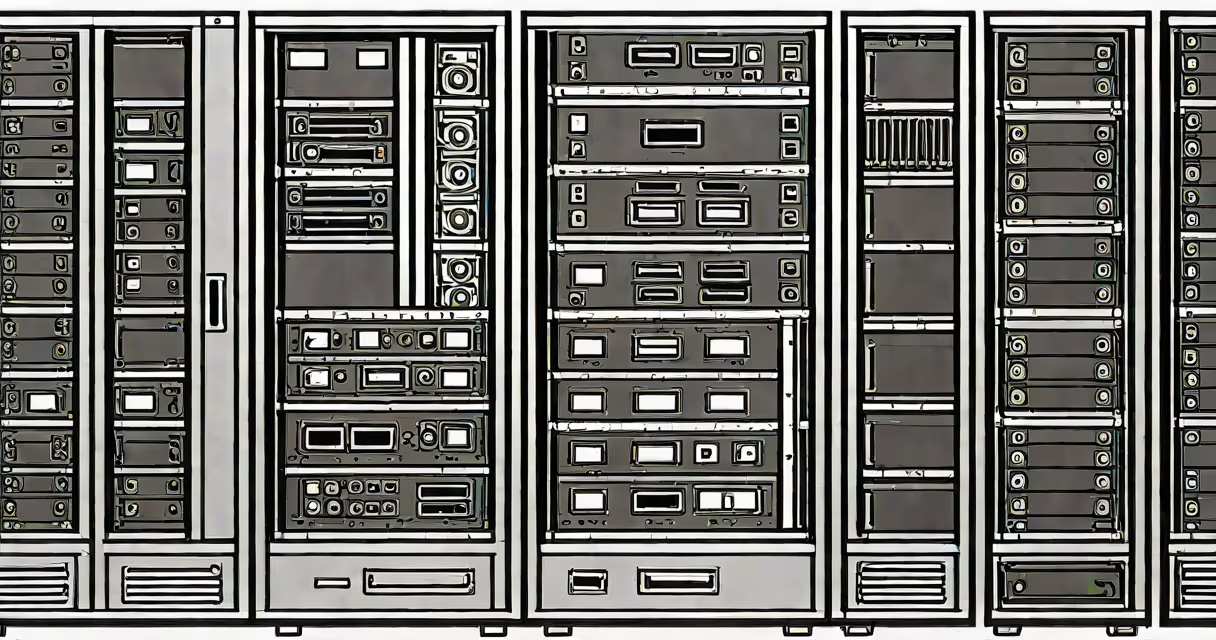
Data storage refers to any technology that captures and retains digital information for later retrieval. These systems come in various forms, each suited to different performance, capacity, and cost requirements.
Data storage systems write, read, and manage information using physical media or virtual platforms. They organize data into files, blocks, or objects, depending on the storage type. Most systems include hardware, software, and protocols to ensure data integrity and accessibility.
| Type | Description | Common Uses |
|---|---|---|
| Cloud Storage | Remote servers accessed via the internet, offering scalability and flexibility. | Backup, disaster recovery, and application hosting. |
| Solid-State Drives (SSDs) | Flash memory-based storage with high speed and durability. | Operating systems, databases, and high-performance computing. |
| Hard Disk Drives (HDDs) | Magnetic storage with spinning disks, offering high capacity at lower cost. | General-purpose storage, archives, and bulk data. |
| Magnetic Tape | Sequential access storage with high density and low cost per gigabyte. | Long-term archiving and backup. |
Many people confuse data storage definition with data processing or data management. Storage focuses solely on retaining data, while processing involves manipulating data and management includes organizing and securing it. Another misconception is that cloud storage is always more secure than on-premises storage. Security depends on implementation, not location.
Selecting the appropriate storage type depends on factors like performance needs, budget, and data accessibility requirements. For instance, a web hosting service might prioritize SSDs for quick access, while a research institution might opt for magnetic tape for archiving large datasets. Cloud storage offers a balance of scalability and cost-effectiveness for businesses with fluctuating storage needs.
When I helped a small business migrate their data, we chose a hybrid approach: cloud storage for active files and magnetic tape for archival data. This balanced cost, accessibility, and long-term preservation needs effectively.