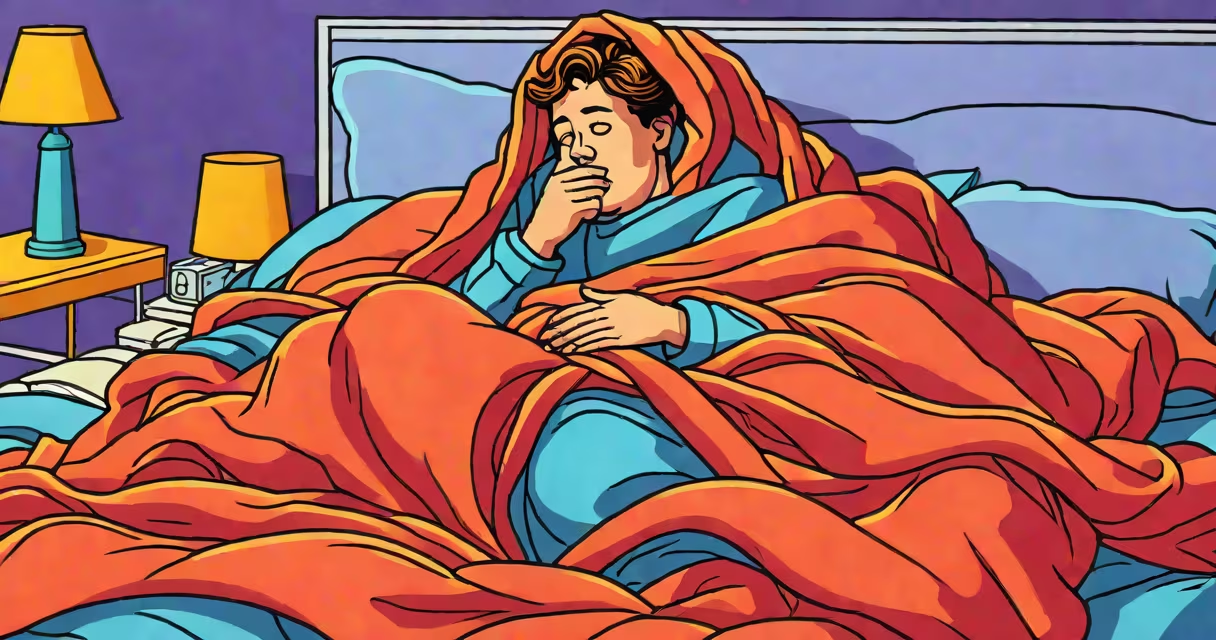
Uncontrollable chills without a fever are involuntary shivering episodes caused by factors other than infection. These can include stress, low blood sugar, or even certain medications.
Chills occur when muscles rapidly contract and relax, generating heat. Normally, this happens due to fever, but non-fever-related chills trigger the same response through different mechanisms. The hypothalamus, your brain's thermostat, may misread internal or external cues, signaling the body to shiver.
The most common causes of uncontrollable chills without fever include:
While occasional chills without fever are usually harmless, persistent or severe episodes may require medical attention. If chills are accompanied by confusion, weakness, or chest pain, seek immediate care. Chronic conditions like anemia or autoimmune disorders can also cause recurrent chills.
Many people assume chills always indicate infection. However, chills without fever often stem from non-infectious causes. For example, sudden chills during a panic attack result from the body's fight-or-flight response, not illness.
Another myth is that chills only occur in cold environments. While cold exposure is a common trigger, emotional stress or hormonal fluctuations can also cause shivering indoors.
Sarah, a 32-year-old office worker, noticed uncontrollable chills during high-stress meetings. She had no fever or signs of illness. After consulting a doctor, she learned her body reacted to stress with shivering. Adjusting her workload and practicing relaxation techniques reduced her episodes.
If you experience similar symptoms, consider keeping a journal to note triggers. If chills persist, consult a healthcare provider to rule out underlying conditions.