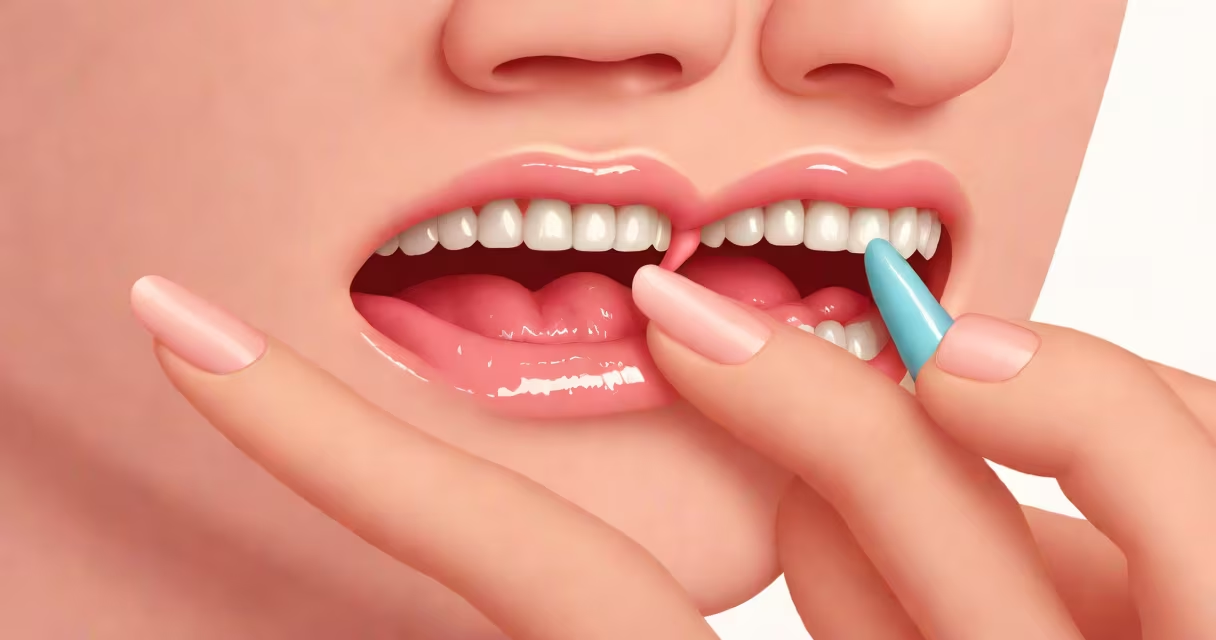
An ulcer on bottom gum is a painful sore that forms on the lower gum tissue, often caused by irritation, infection, or injury. These ulcers can make eating, drinking, or even talking uncomfortable.
How It Works
Gum ulcers typically develop when the thin tissue inside your mouth is damaged. This damage can come from physical trauma, such as biting your cheek or brushing too hard, or from chemical irritants like acidic foods. In some cases, infections or underlying health conditions can also lead to ulcers.
Main Types
There are several types of gum ulcers, including:
Canker Sores (Aphthous Ulcers): Small, round ulcers with a white or yellow center and a red border. They usually heal within a week or two.
Cold Sores (Herpes Simplex Virus): Caused by the herpes virus, these ulcers appear as clusters of blisters and take about two weeks to heal.
Traumatic Ulcers: Caused by physical injury, such as biting your gum or dental work that irritates the tissue.
Common Causes
Ulcers on the bottom gum can be caused by various factors, including:
Physical injury from brushing too hard, biting your cheek, or dental procedures.
Chemical irritants like acidic foods, spicy foods, or certain toothpastes.
Infections from bacteria, viruses, or fungi.
Underlying health conditions like autoimmune disorders or nutritional deficiencies.
Treatment Options
Most gum ulcers heal on their own within a week or two. However, you can speed up the healing process with the following treatments:
Rinse with Salt Water: Mix one teaspoon of salt in a cup of warm water and rinse your mouth several times a day.
Use a Mouth Rinse: Over-the-counter mouth rinses can help reduce pain and promote healing.
Apply a Paste: Mix baking soda with a small amount of water to form a paste and apply it to the ulcer.
Avoid Irritants: Stay away from spicy, acidic, or crunchy foods that can irritate the ulcer.
When to See a Dentist
While most gum ulcers are harmless and heal on their own, you should see a dentist if:
The ulcer lasts longer than two weeks.
The ulcer is extremely painful or bleeding.
You have frequent ulcers.
You notice other symptoms, such as fever or swollen lymph nodes.
Common Misconceptions
Many people confuse ulcers on the bottom gum with ulcers on the top gum or other mouth sores. Unlike ulcers on the top gum, which are often caused by dental work or trauma, ulcers on the bottom gum are more likely to be caused by irritation from acidic or spicy foods., cold sores, which are caused by the herpes virus, can appear on the lips or around the mouth but are less common on the gums themselves.
Personal Experience
I once developed an ulcer on my bottom gum after eating a particularly spicy meal. The ulcer was painful and made it difficult to enjoy my favorite foods. I rinsed my mouth with salt water several times a day and avoided spicy foods until the ulcer healed. Within a week, the ulcer had disappeared, and my gum returned to normal.
Prevention Tips
To prevent ulcers on the bottom gum, follow these tips:
Brush your teeth gently and use a soft-bristled toothbrush.
Avoid overly spicy or acidic foods that can irritate your gums.
Maintain good oral hygiene by flossing daily and visiting your dentist regularly.
Stay hydrated to keep your mouth moist and healthy.