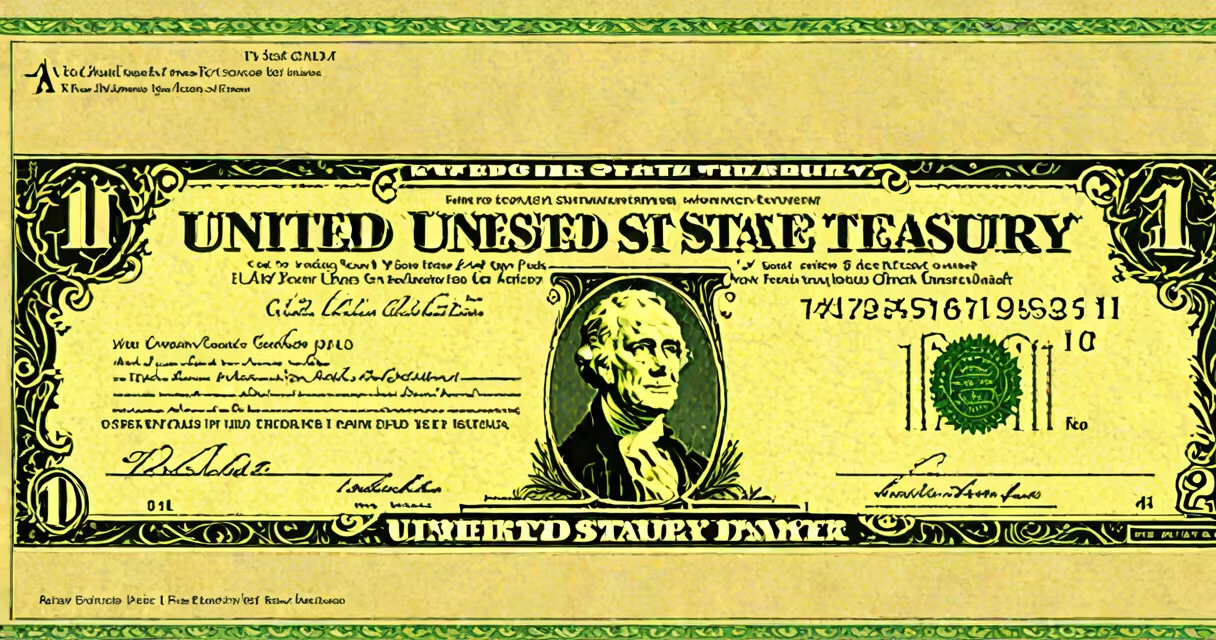
A united state treasury check number is a unique 10-digit sequence printed on U.S. Treasury checks for tracking and fraud prevention. This number appears in the upper right corner of the check, separate from the Federal Reserve routing number and your account number.
The check number serves as a reference for both the Treasury and the recipient. When you cash or deposit the check, the bank records this number along with the amount. The Treasury uses these numbers to track payments and detect potential fraud.
U.S. Treasury checks include several types, each with its own numbering system:
| Check Type | Example Purpose | Check Number Format |
|---|---|---|
| Social Security Benefits | Monthly retirement or disability benefits | 000-123-456-78 |
| Federal Tax Refunds | Income tax refunds | 000-987-654-32 |
| Veterans Benefits | Disability compensation or pensions | 000-456-789-01 |
Each type follows a similar 10-digit format, but the sequence varies based on the payment program.
The check number appears in multiple places for verification:
This number helps banks identify the specific check during processing and allows the Treasury to track payments efficiently.
Many people confuse the check number with other identifiers on the check:
All three appear in the MICR line at the bottom of the check but serve different purposes.
To find your check number, look in the upper right corner of the check. You'll see three groups of numbers separated by dashes. The first group (three digits) identifies the check type, the second group (three digits) is part of the sequence, and the last group (four digits) completes the unique identifier.
For example, if you see "000-123-456-78," the entire sequence "00012345678" is the check number. Some banks may require you to enter it without dashes when processing the check electronically.