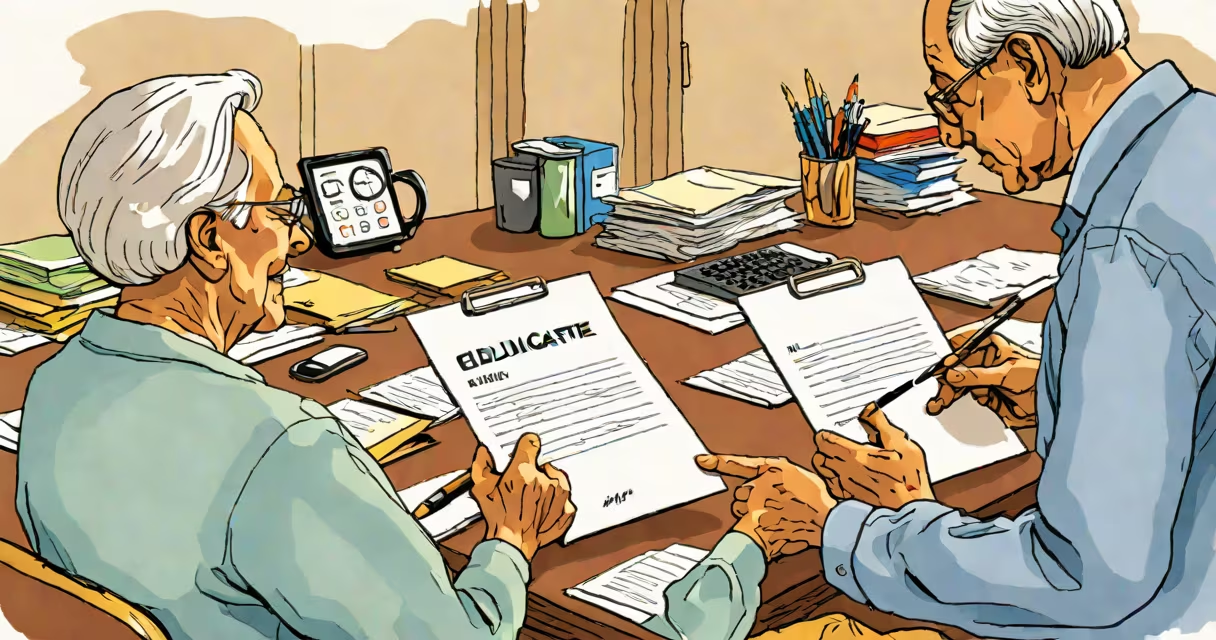
USA senior care eligibility verification determines whether seniors qualify for government-funded care programs like Medicare and Medicaid. This process ensures accurate benefit distribution and prevents fraud.
Verification involves submitting documentation such as birth certificates, proof of residency, and financial records. Government agencies or authorized third parties review these materials to confirm eligibility. The process typically takes 30-60 days but can vary by state.
| Program | Eligibility Criteria | Key Features |
|---|---|---|
| Medicare | U.S. citizens or permanent residents aged 65+ | Covers hospital stays, doctor visits, and preventive services |
| Medicaid | Low-income individuals of any age, including seniors | Covers long-term care, prescription drugs, and medical supplies |
| Veterans Benefits | U.S. military veterans with service-related disabilities | Covers medical care, disability compensation, and pensions |
Many assume Medicare covers all senior care costs, but it primarily focuses on medical services. Long-term care, such as nursing home stays, is often covered by Medicaid for those who meet income and asset limits. Another misconception is that eligibility is permanent; periodic reviews ensure continued qualification.
Verification prevents fraud and ensures resources go to those who need them most. According to the Centers for Medicare & Medicaid Services, improper payments cost taxpayers billions annually. Accurate verification helps reduce these losses while ensuring eligible seniors receive necessary care.
For more details, visit the official Medicare website or consult a local Medicaid office.