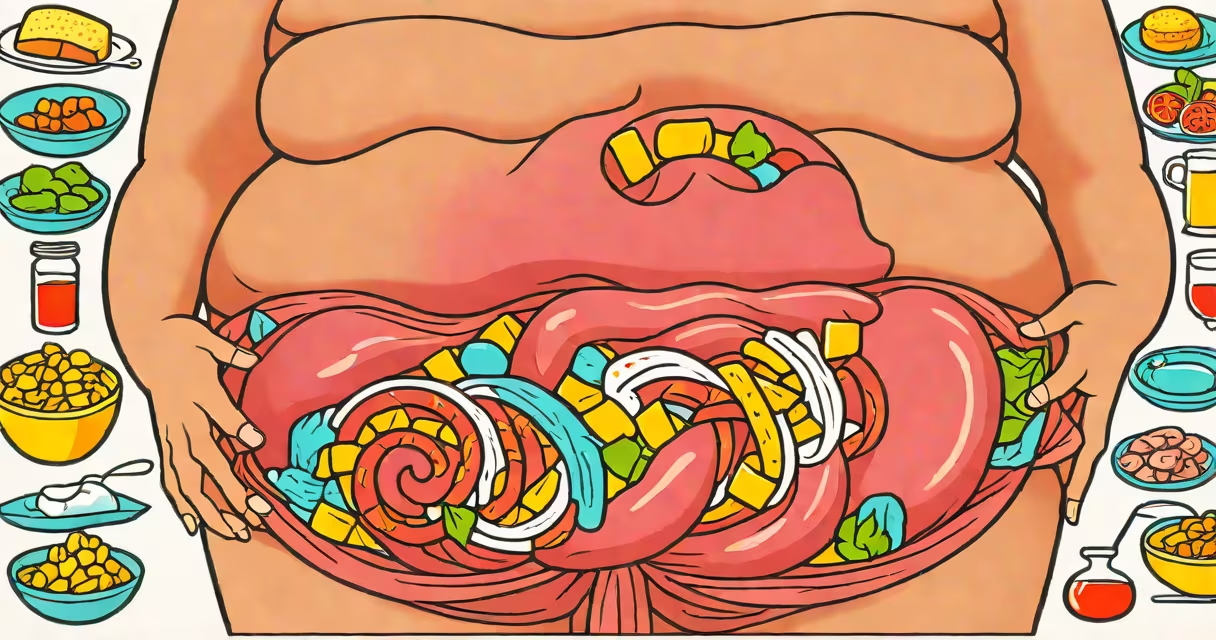
A very bloated and hard stomach occurs when gas, fluid, or food creates excess pressure in your abdomen, making it swollen and firm to the touch. This condition may stem from mild digestive issues or serious medical problems.
Your stomach expands temporarily after eating, but bloating happens when digestion slows or stops. Gas buildup, fluid retention, or food intolerance can cause hardness. The stomach muscles may tense due to discomfort, worsening the sensation.
The most common causes of a very bloated and hard stomach include:
Visit a healthcare provider if bloating lasts more than three days, causes severe pain, or includes vomiting, fever, or blood in stool. These symptoms may indicate gastric obstruction, pancreatitis, or ovarian cysts.
According to the American Gastroenterological Association, about 16% of people experience bloating regularly. Persistent cases require medical evaluation to rule out serious conditions.
Many people assume bloating is always caused by overeating. However, even small meals can trigger bloating if they contain hard-to-digest ingredients. Stress and hormonal changes also play significant roles.
Sarah noticed her stomach felt very bloated and hard after eating dairy. She avoided milk and cheese for a week, and her symptoms improved. A doctor confirmed lactose intolerance, recommending enzyme supplements.
If you experience frequent bloating, track your diet and symptoms. A food diary helps identify triggers. For severe or unexplained cases, consult a healthcare professional.