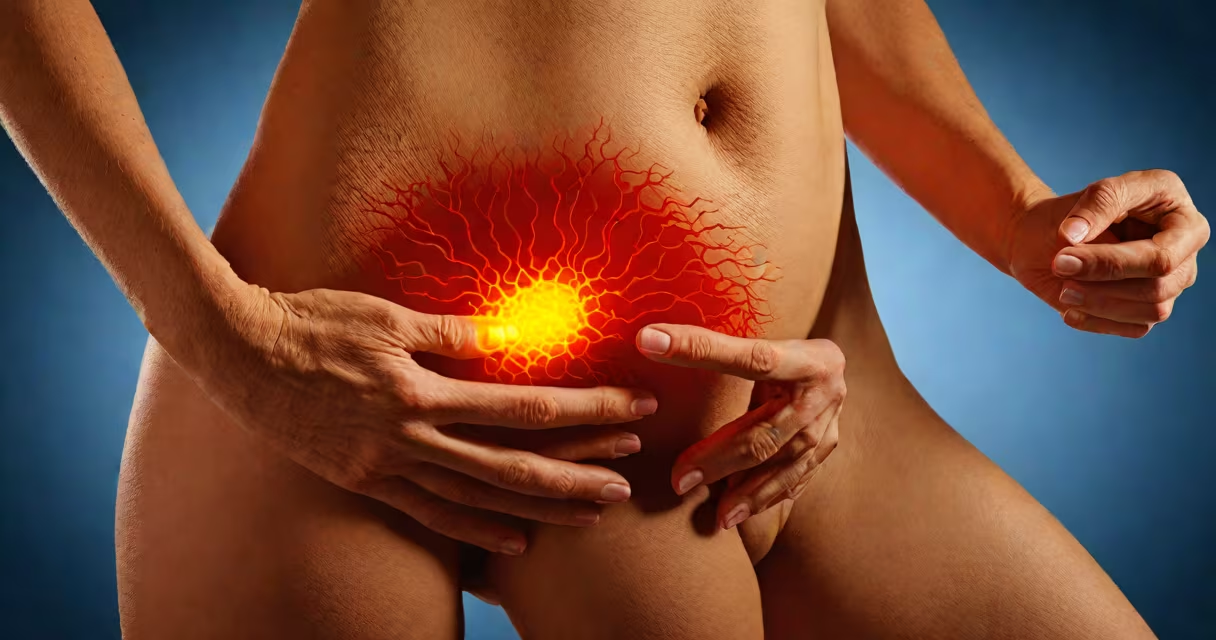
Very painful cramps are severe menstrual pains, often called dysmenorrhea, that disrupt daily activities. These cramps typically occur in the lower abdomen and pelvic area before or during menstruation.
Menstrual cramps happen when the uterus contracts to shed its lining. The uterus releases chemicals called prostaglandins, which trigger inflammation, pain, and cramping. Higher prostaglandin levels cause more intense cramps.
Painful menstrual cramps fall into two categories:
Most very painful cramps are primary, but secondary dysmenorrhea requires medical evaluation. A study in Obstetrics & Gynecology found that 90% of menstrual pain cases are primary.
Severe cramps may indicate a health issue. See a doctor if cramps:
Conditions like endometriosis or pelvic inflammatory disease often cause debilitating cramps. A gynecologist can diagnose these through exams or imaging tests.
Many believe painful cramps are normal. While mild discomfort is common, extreme pain isn't. A 2021 survey in Journal of Women's Health found that 20% of people with periods experience severe pain affecting work or school.
Another myth is that birth control pills always stop cramps. They help some but worsen others. Non-hormonal options like NSAIDs or heating pads often work better.
Sarah, 28, had always experienced mild cramps. Suddenly, her period pain became unbearable, lasting 10 days. She tried ibuprofen and a heating pad with no relief. After visiting her doctor, she was diagnosed with endometriosis. Treatment improved her symptoms.
Genetics, stress, and lifestyle factors influence cramp severity. Smokers and those with high caffeine intake often report worse pain. Exercise and a balanced diet can reduce inflammation and ease cramps.
Hormonal imbalances also play a role. People with heavier periods tend to have higher prostaglandin levels, leading to more intense cramps. Tracking symptoms over multiple cycles helps identify patterns.
Very painful cramps aren't just part of having a period. Understanding their causes and recognizing when they're abnormal can lead to better management and treatment.