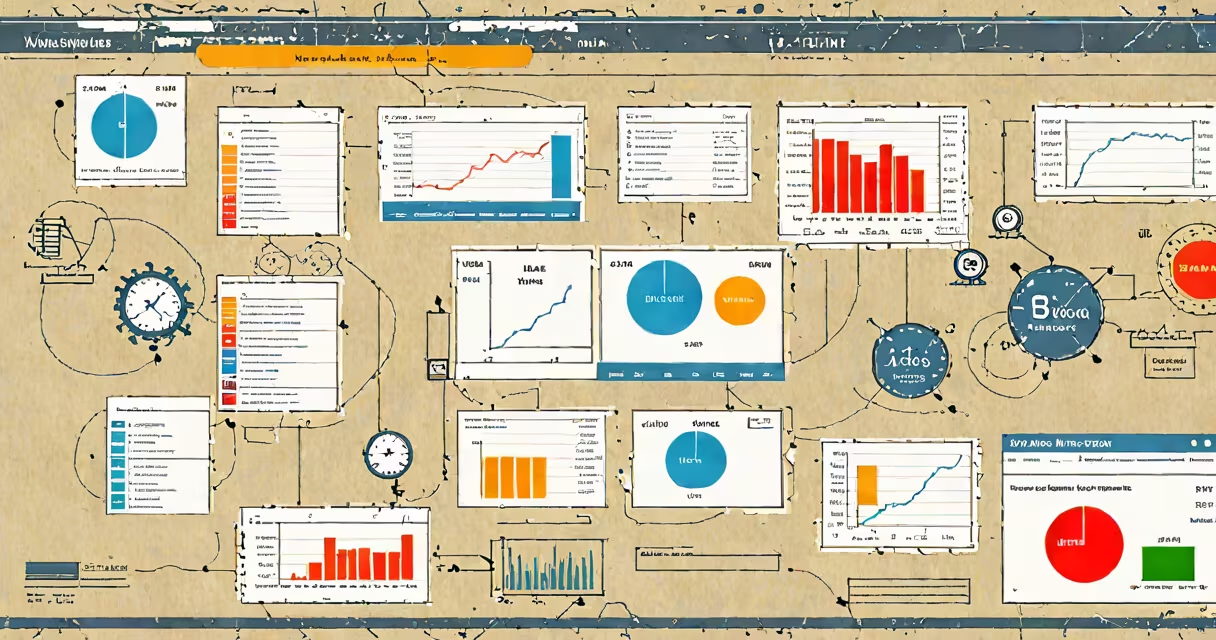
A warehouse management system (WMS) is software designed to improve daily operations in a warehouse or distribution center. It tracks inventory, automates workflows, and integrates with other supply chain tools to simplify logistics.
WMS software uses barcode scanners, RFID technology, and IoT sensors to monitor inventory in real time. When goods arrive, the system assigns storage locations based on size, weight, and turnover rate. Workers scan items as they move through the warehouse, updating the system automatically.
| Feature | Description |
|---|---|
| Inventory Tracking | Monitors stock levels, locations, and movements in real time. |
| Order Management | Processes and fulfills orders efficiently, reducing errors. |
| Labor Management | Tracks worker productivity and assigns tasks based on skill sets. |
| Reporting & Analytics | Generates reports on key metrics like order accuracy and fulfillment times. |
| Integration Capabilities | Connects with ERP, TMS, and other management information systems for smooth data flow. |
WMS solutions come in different forms to suit various business needs:
Cloud-based WMS solutions are growing in popularity due to their scalability and lower upfront costs. According to a report by Statista, the global WMS market is expected to reach $6.1 billion by 2025.
Many businesses assume WMS software is only for large enterprises. However, small and mid-sized warehouses also benefit from automation. For instance, a small e-commerce business might use a basic WMS to track inventory and fulfill orders without hiring additional staff.
Another myth is that WMS solutions are difficult to implement. While setup requires training, most modern systems offer user-friendly interfaces and customer support to ease the transition.
Implementing a WMS reduces operational costs by minimizing errors, optimizing space, and improving labor efficiency. For example, a study by Inbound Logistics found that businesses using WMS software reduced order fulfillment times by up to 30%., WMS solutions improve customer satisfaction by ensuring accurate and timely deliveries.
In my experience working with a logistics company, switching to a WMS cut inventory discrepancies by 40% within six months. The system's real-time tracking feature helped identify and resolve issues quickly, leading to smoother operations.