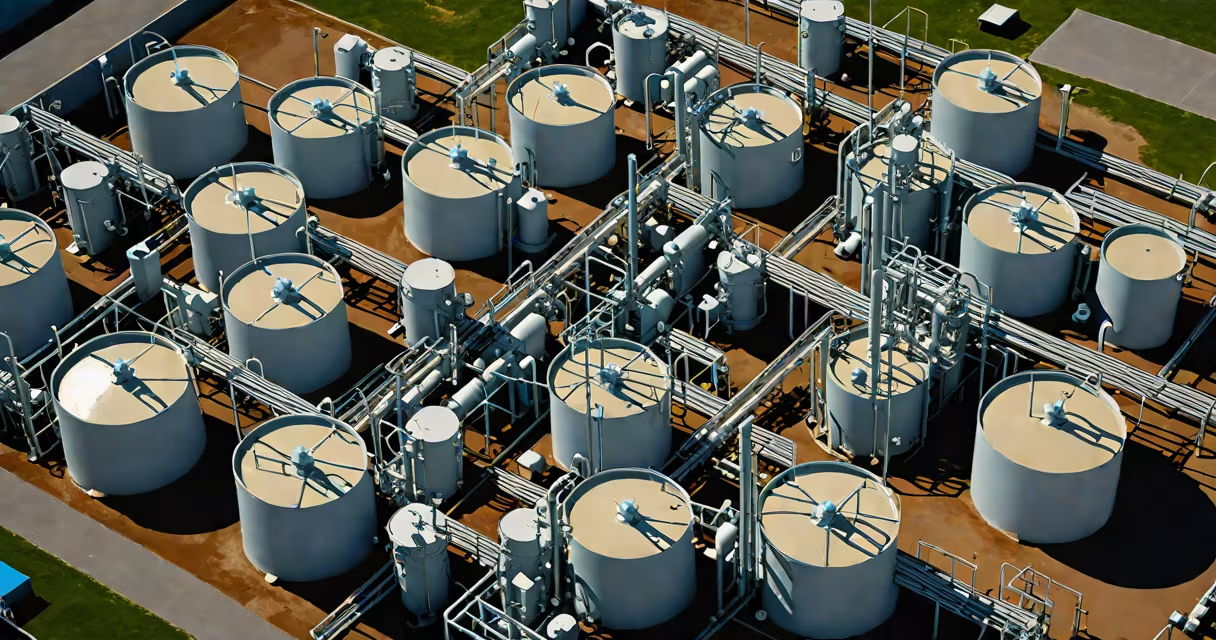
Water and sewage systems are infrastructure networks that deliver clean water to homes and businesses, then safely remove and treat wastewater. These systems ensure public health and environmental protection.
Water and sewage systems operate in two main stages: water supply and wastewater removal. Water treatment plants purify raw water from lakes, rivers, or groundwater. The process includes coagulation, sedimentation, filtration, and disinfection. After treatment, clean water is pumped through distribution pipes to buildings.
After use, wastewater enters sewer lines that transport it to sewage treatment facilities. Primary treatment removes large debris through screens and settling tanks. Secondary treatment uses biological processes to break down organic matter. Tertiary treatment further purifies the water before it's released into the environment or reused.
The key components include:
These systems prevent waterborne diseases like cholera and dysentery. According to the World Health Organization, access to safe drinking water and sanitation reduces diarrheal diseases by up to 90%. Proper wastewater treatment also protects aquatic ecosystems from pollution.
For example, the city of Singapore's NEWater program recycles wastewater for industrial and even drinking purposes, showcasing advanced water reuse technologies. Similarly, Los Angeles' Hyperion Water Reclamation Plant treats millions of gallons daily, ensuring clean water returns to the ocean.
Many people confuse water and sewage systems with stormwater drains. Stormwater systems manage rainwater runoff, while sewage systems handle wastewater from buildings. Mixing the two can overwhelm sewage treatment plants and cause overflows, leading to environmental contamination.
Another misconception is that all wastewater is treated equally. Industrial wastewater often requires additional treatment to remove harmful chemicals before it can be safely released. For instance, factories must pre-treat wastewater to meet regulatory standards before sending it to municipal treatment plants.
Aging infrastructure poses a significant challenge. The American Society of Civil Engineers gave U.S. drinking water infrastructure a grade of C- in 2021, highlighting the need for upgrades. Innovations like smart meters and leak detection systems help monitor and maintain these systems efficiently.
In my experience working with a local utility, implementing real-time monitoring reduced water loss by 15% within six months. This technology allows operators to quickly identify and repair leaks, conserving water and reducing costs.
Water and sewage systems are important for public health and environmental sustainability. By understanding their components and challenges, communities can invest in improvements that ensure clean water access for future generations. For more on how wastewater impacts marine life, see this guide on sewage in the ocean.