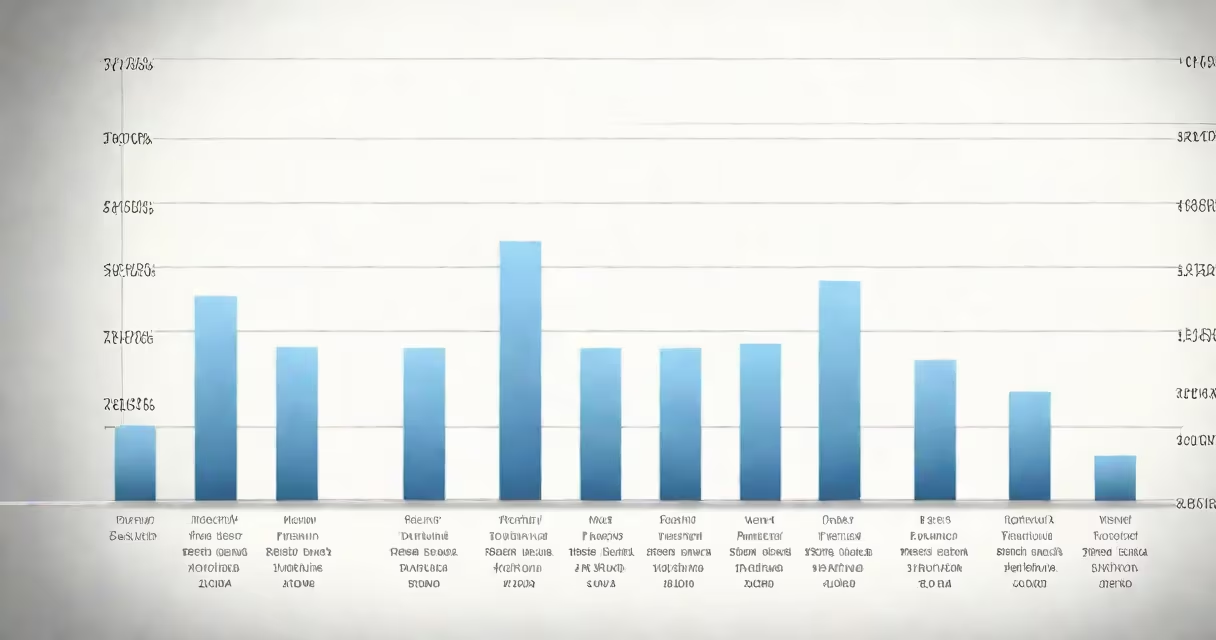
Prevalentie is a statistical measure that quantifies how common a condition, trait, or event is within a specific population during a given time period. It's expressed as a proportion or percentage.
This measure helps researchers understand disease burden, track public health trends, and allocate resources effectively. For example, the World Health Organization reports that the global prevalence of diabetes was 6.4% in 2014 among adults aged 18 years and older.
Prevalentie calculates the proportion of individuals in a population who have a particular characteristic at a specific time. The basic formula is:
Prevalentie = (Number of cases in population / Total population) × 100%For instance, if 30 out of 1000 people in a city have asthma, the prevalence of asthma is 3%. This measurement can be taken at a single point in time (point prevalence) or over a specified period (period prevalence).
| Type | Definition | Example |
|---|---|---|
| Point prevalence | Proportion of cases at a single point in time | Percentage of people with COVID-19 on January 1, 2023 |
| Period prevalence | Proportion of cases over a specific time period | Percentage of people who had the flu during winter 2022-2023 |
| Lifetime prevalence | Proportion of people who have ever had the condition | Percentage of people who have experienced depression at any point in their lives |
Prevalentie is important in epidemiology and public health. It helps determine the burden of diseases, identify high-risk populations, and evaluate the effectiveness of interventions. For example, the Centers for Disease Control and Prevention uses prevalence data to track obesity rates in the United States.
In clinical settings, prevalence helps doctors understand how likely patients are to have certain conditions. For instance, knowing that about 10% of children have ADHD helps pediatricians decide when to screen for the disorder.
Many people confuse prevalentie with incidence, which measures new cases over a specific time period. While prevalence shows how common a condition is, incidence shows how often new cases develop. For example, the prevalence of HIV might be 0.6% globally, while the annual incidence might be 0.01%. Both measures are important but serve different purposes.
Another misconception is that high prevalence always indicates a severe problem. Sometimes, a condition might be common but not severe, like mild seasonal allergies. Conversely, rare conditions with low prevalence might be very serious, such as certain types of cancer.
I once worked on a project analyzing the prevalence of mental health conditions among college students. We found that while anxiety and depression were highly prevalent, many students didn't seek treatment due to stigma. This highlighted the importance of understanding both the statistical measure and the human impact behind the numbers.
Understanding prevalentie helps us grasp the bigger picture of health and disease in populations. It's a fundamental concept in epidemiology that guides research, policy, and healthcare decisions.
See here More on this