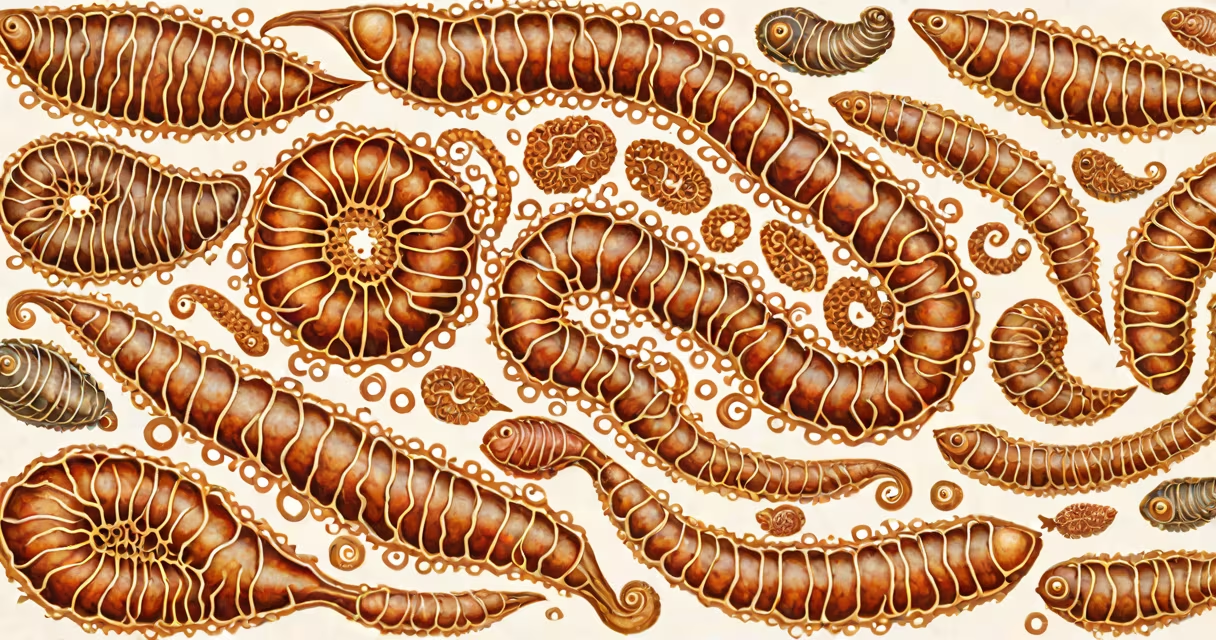
Trichinosis is a parasitic disease caused by roundworms of the Trichinella genus, primarily carried by pigs, bears, and wild carnivores. Humans typically contract trichinosis by eating undercooked meat containing Trichinella larvae.
Trichinella worms complete their life cycle when a carnivore or omnivore consumes infected muscle tissue. The larvae mature into adults in the host's intestine, mate, and produce new larvae that migrate into the host's muscle tissue, forming cysts. Other animals become infected by consuming these encysted larvae in raw or undercooked meat.
| Animal | Prevalence | Notes |
|---|---|---|
| Pigs | Most common source of human infections | Transmission often occurs through feeding pigs uncooked meat scraps or garbage containing infected animal parts. |
| Bears | High prevalence in some regions | Wild bears frequently carry Trichinella, especially in North America, Europe, and Asia. |
| Wild boars | Significant reservoir | Infection rates can reach 30-40% in some populations according to the CDC. |
| Foxes, wolves, and other wild carnivores | Common carriers | These animals maintain the parasite in wildlife ecosystems. |
Humans get trichinosis by eating raw or undercooked meat containing Trichinella cysts. Pork products are the most common source, but bear meat has caused outbreaks. The parasite can survive in cured or frozen meat, requiring proper cooking to kill it.
The CDC reports about 45 cases annually in the U.S., though global incidence is higher. Symptoms include abdominal pain, diarrhea, fever, chills, headache, and muscle pain. Severe cases can cause heart and breathing problems.
To prevent trichinosis, cook pork and wild game meat to safe internal temperatures (160°F for pork, 160°F for ground meats and whole cuts of wild game). Avoid feeding raw meat scraps to pigs. When traveling, be cautious with local meat dishes that may be undercooked.
For international travelers, the CDC recommends avoiding raw or undercooked meat, particularly in areas with known trichinosis risks. Proper food handling and cooking practices are essential for prevention.
Many people believe trichinosis is rare in the U.S. due to modern farming practices. However, the CDC still reports cases, particularly from consuming wild game. Another misconception is that freezing meat kills the parasite - while it can reduce risk, it doesn't guarantee safety. Proper cooking remains the most effective prevention method.