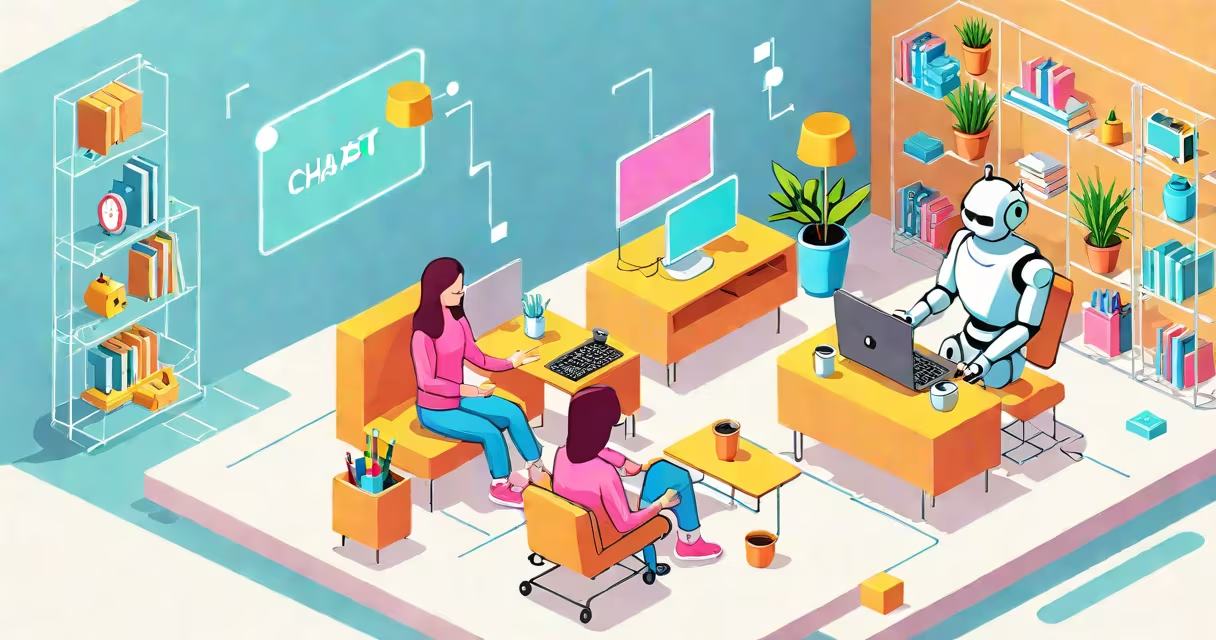
Chat bots are software applications that use artificial intelligence to simulate conversations with users, typically through text or voice interfaces. They automate responses to queries, provide information, and perform tasks.
Chat bots operate using natural language processing (NLP) to understand and generate human-like text. They analyze input, determine intent, and produce appropriate responses. Some use machine learning to improve over time, while others follow predefined scripts.
Chat bots are deployed across various industries for customer support, sales, marketing, and internal operations. They reduce response times, lower costs, and provide 24/7 availability. For example, banks use chat bots to handle account inquiries, while e-commerce sites employ them for order tracking and recommendations.
Many people assume chat bots are fully autonomous and capable of handling any query. However, most require human intervention for complex issues. Another misconception is that they replace human jobs entirely, but they often augment human capabilities by handling routine tasks.
I once tested a customer service chat bot that correctly answered 8 out of 10 questions but failed to understand context-specific inquiries, highlighting the limitations of current technology.
Chat bots are useful tools that improve efficiency and user experience. As AI advances, their capabilities will continue to grow, making them indispensable in various sectors.