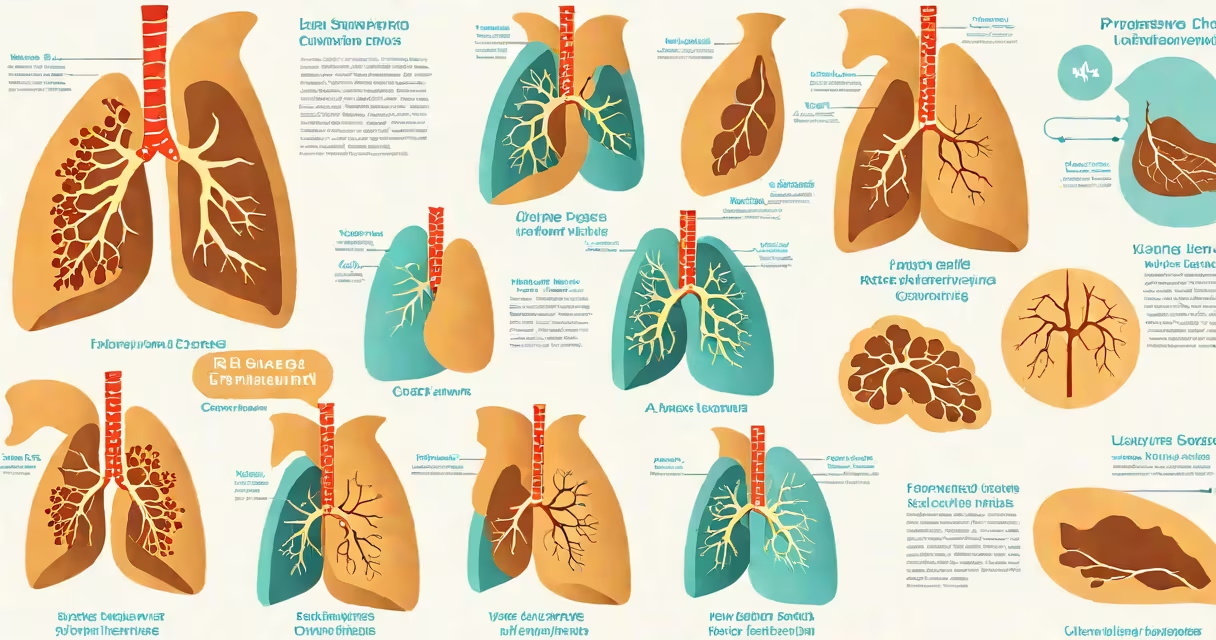
Emphysema is a progressive lung disease marked by four distinct stages of airway destruction and breathing difficulty. The Global Initiative for Chronic Obstructive Lung Disease (GOLD) classifies these stages using spirometry results and symptom severity.
Each stage represents worsening lung function and increased symptoms:
| Stage | FEV1 Percentage | Key Characteristics |
|---|---|---|
| Stage 1 (Mild) | ≥70% | Minimal symptoms, occasional shortness of breath during physical activity |
| Stage 2 (Moderate) | 50-69% | Noticeable shortness of breath, wheezing, fatigue |
| Stage 3 (Severe) | 30-49% | Significant breathing difficulties, frequent respiratory infections |
| Stage 4 (Very Severe) | <30% | Severe airflow obstruction, constant shortness of breath, potential for respiratory failure |
Emphysema destroys alveoli (air sacs) in the lungs, reducing surface area for gas exchange. The GOLD system measures forced expiratory volume (FEV1) - air exhaled in one second - to determine stage.
Stage 1 patients may show minimal symptoms despite lung damage. By Stage 4, patients typically require oxygen therapy and face high risk of complications. The American Lung Association notes that progression varies by individual, with some skipping stages.
Many confuse emphysema with chronic bronchitis, another form of COPD. While both cause breathing difficulties, emphysema specifically damages air sacs while chronic bronchitis inflames bronchial tubes. Some believe only smokers develop emphysema, but 1 in 6 cases occur in nonsmokers due to genetic factors or environmental exposure.
Early-stage treatments focus on bronchodilators and lifestyle changes. Later stages may require oxygen therapy, pulmonary rehabilitation, or surgery. The Mayo Clinic reports that quitting smoking is the most critical intervention at any stage, potentially slowing progression.
I've seen firsthand how Stage 3 patients benefit from pulmonary rehabilitation programs, which combine exercise training with education. These programs improve quality of life even when lung function remains impaired.
Smoking accelerates progression, but other factors include age, genetics, and exposure to pollutants. The COPD Foundation states that about 24 million Americans have COPD, with many undiagnosed until later stages.