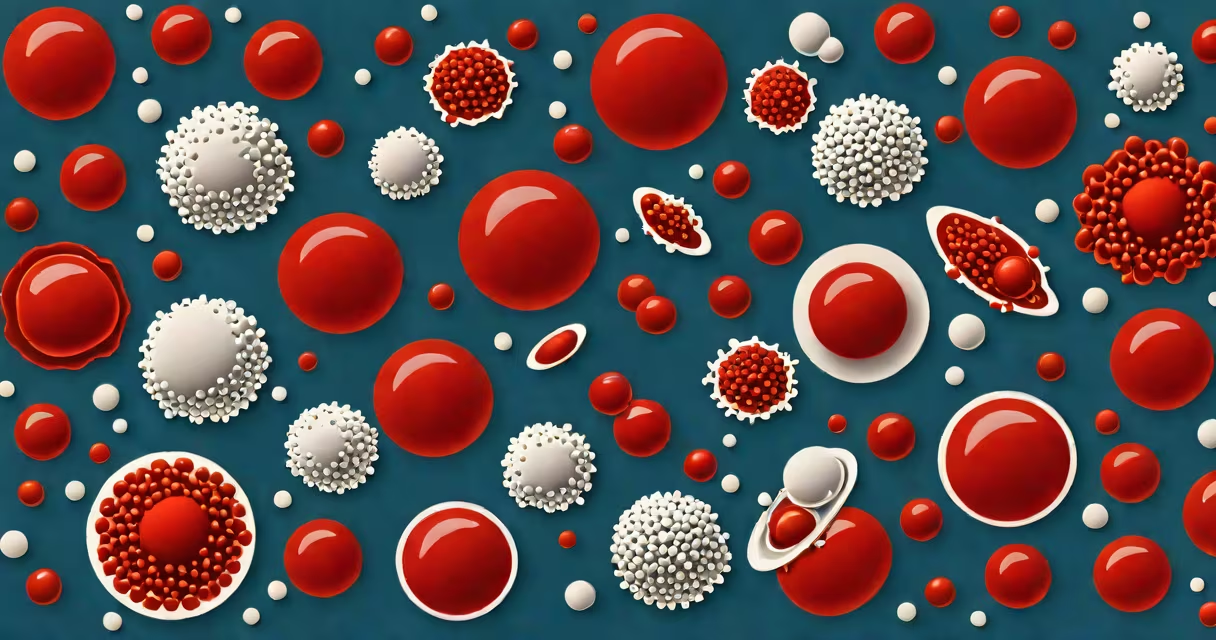
Blood contains three primary cell types: red blood cells, white blood cells, and platelets. These components work together to deliver oxygen, fight infections, and promote clotting.
Each type of blood cell has a specialized role. Red blood cells carry oxygen, white blood cells defend against pathogens, and platelets help form clots to stop bleeding. The balance between these cells is important for health.
Blood is composed of plasma and three types of cells:
| Cell Type | Function | Lifespan |
|---|---|---|
| Red Blood Cells (Erythrocytes) | Transport oxygen | 120 days |
| White Blood Cells (Leukocytes) | Fight infections and diseases | Days to years, depending on type |
| Platelets (Thrombocytes) | Promote blood clotting | 9 days |
These cells circulate throughout the body via the cardiovascular system. Red blood cells are essential for oxygen delivery, particularly in muscles during exercise. White blood cells accumulate at infection sites, while platelets rush to wound areas to prevent excessive bleeding.
Many people confuse platelets with clotting factors, which are proteins in plasma. While both contribute to coagulation, platelets physically form plugs at injury sites, whereas clotting factors are biochemical catalysts. Another misconception is that all white blood cells are identical-actually, they include neutrophils, lymphocytes, monocytes, eosinophils, and basophils, each with distinct roles.
During a complete blood count (CBC) test, healthcare providers measure levels of each cell type. For instance, low red blood cell counts may indicate anemia, while high white blood cell counts often signal infection. Platelet counts help assess bleeding risks. I once had a CBC test that revealed a slightly elevated white blood cell count, leading to further tests that confirmed a minor infection.
Unlike many other cells in the body, blood cells regenerate rapidly. The bone marrow produces about 170 billion red blood cells daily. White blood cells are continuously generated in response to the body's immune needs. Platelets are produced at a rate of about 10 trillion per day. This rapid turnover ensures the body maintains adequate supplies of each cell type despite their relatively short lifespans.