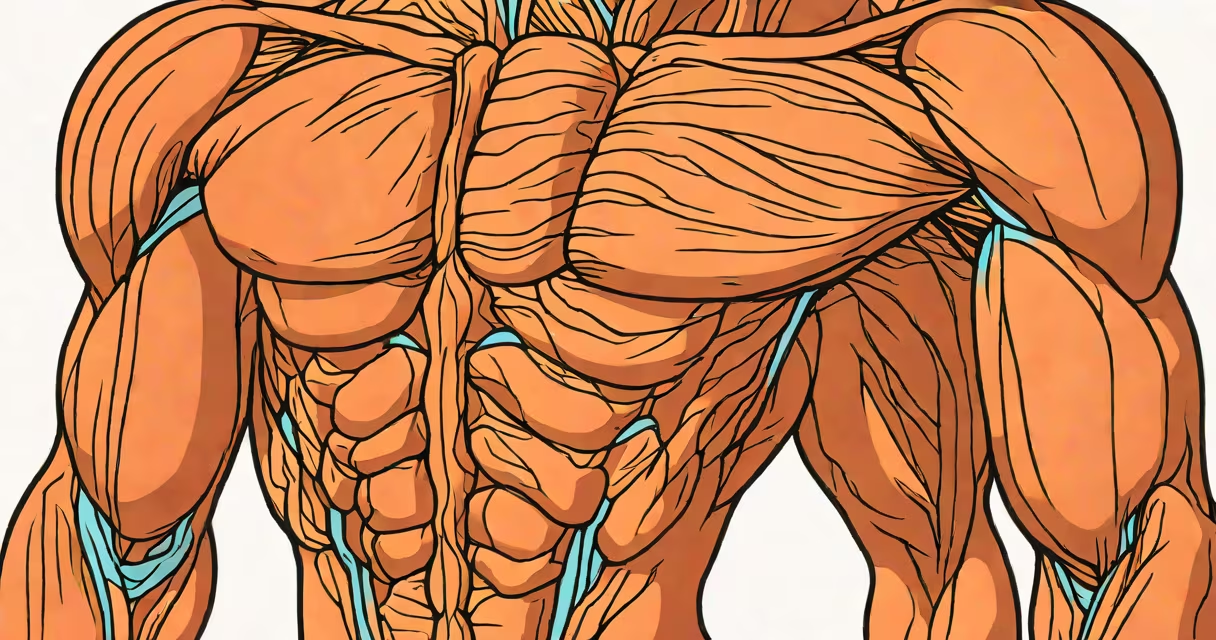
The upper arm contains three primary muscles: the biceps brachii, triceps brachii, and deltoid. These muscles work together to enable movement, strength, and stability in the shoulder and elbow joints.
The biceps brachii and triceps brachii are antagonists, meaning they work against each other to move the forearm. The biceps flex the elbow and supinate the forearm, while the triceps extend the elbow. The deltoid muscle is responsible for lifting the arm and provides strength for shoulder movements.
The upper arm muscles can be divided into two groups based on their location and function:
| Muscle | Primary Function |
|---|---|
| Biceps Brachii | Flexion of the elbow and supination of the forearm |
| Triceps Brachii | Extension of the elbow |
| Deltoid | Abduction of the arm, flexion, and rotation |
The upper arm muscles are essential for daily activities such as lifting, carrying, pushing, and pulling. Athletes, particularly those in sports like weightlifting, swimming, and baseball, rely heavily on these muscles for performance., the upper arm muscles play a important role in maintaining posture and stabilizing the shoulder joint.
Many people confuse the biceps brachii with the brachialis, a smaller muscle located beneath the biceps. While both muscles contribute to elbow flexion, the brachialis is more active during pronated grip movements, such as when using a hammer. Another common misconception is that the deltoid muscle is solely responsible for shoulder abduction. In reality, the supraspinatus, one of the rotator cuff muscles, also plays a significant role in this movement.
When I trained for a marathon, I focused on strengthening my upper arm muscles to improve my running form and endurance. Incorporating exercises like push-ups, pull-ups, and overhead presses helped me build the necessary strength and stability in my shoulders and arms.