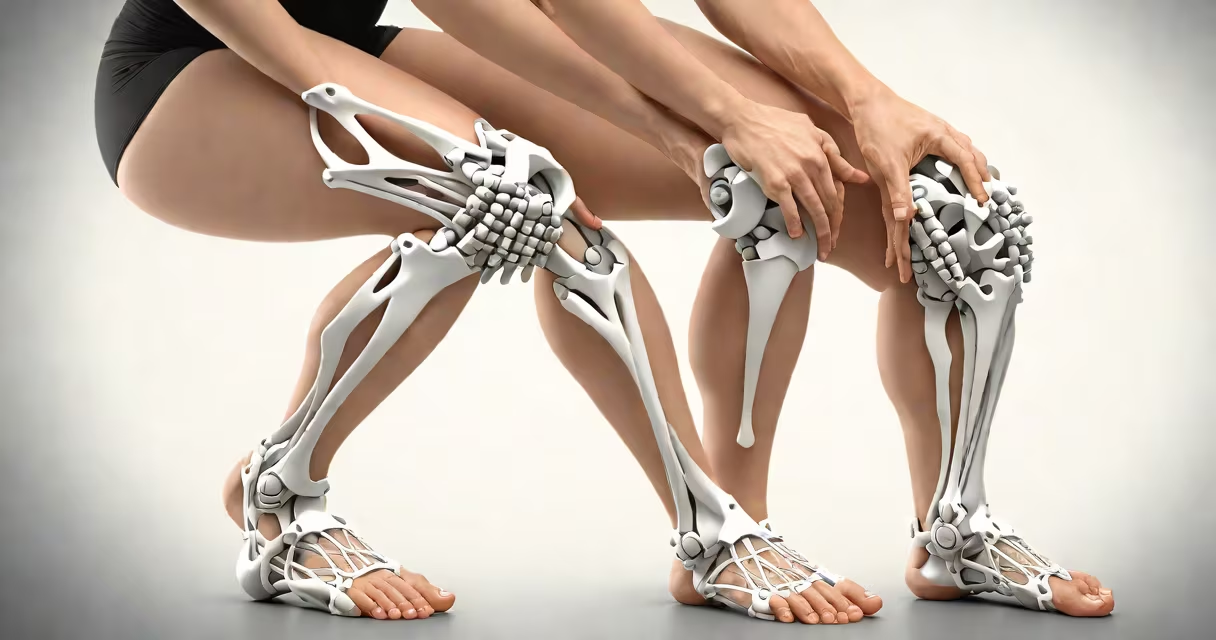
Knee pain results like bones, cartilage, ligaments, or tendons. Acute injuries and chronic conditions account for most cases.
Your knee joint connects your thigh bone to your shin bone through a complex system of tissues. Pain occurs when these tissues become inflamed, torn, or worn down. Acute pain appears suddenly after an injury, while chronic pain develops gradually from overuse or underlying conditions.
The American Academy of Orthopaedic Surgeons notes that knee pain affects people of all ages, though causes differ between younger and older adults. Younger individuals typically experience pain from sports injuries, while older adults often develop pain from degenerative conditions like osteoarthritis.
| Type | Common Causes | Typical Symptoms |
|---|---|---|
| Acute Injuries | Falls, sudden twists, direct impacts | Sudden sharp pain, swelling, inability to bear weight |
| Overuse Conditions | Repetitive motions, poor technique during exercise | Dull ache, tenderness, mild swelling |
| Chronic Medical Conditions | Arthritis, gout, rheumatoid arthritis | Persistent pain, stiffness, reduced mobility |
| Structural Problems | Misalignment, flat feet | Pain that worsens with activity, may feel like a grinding sensation |
Many people assume knee pain always results from aging or high-impact activities. However, even low-impact exercises like cycling can cause knee pain if done improperly. A study published in the journal Sports Health found that improper bike setup leads to up to 60% of cycling-related knee injuries.
Beyond common causes, several unexpected factors contribute to knee pain:
For example, I once treated a patient whose persistent knee pain resulted from a vitamin D deficiency. After addressing the deficiency and implementing targeted exercises, their pain improved within weeks.
Consult a healthcare professional if knee pain persists for more than a few days, limits your ability to perform daily activities, or occurs with swelling, redness, or warmth around the joint. Early diagnosis and treatment can prevent further damage and improve outcomes.