Energy comes from foods rich in nutrients, physical activity that stimulates circulation, and lifestyle habits that promote restorative sleep. These sources counteract fatigue by replenishing glucose, enhancing blood flow, or balancing hormones.
Carbohydrates are the body's primary energy source. Simple carbs like fruits and honey digest quickly, while complex carbs such as whole grains release energy slowly. Protein and healthy fats also contribute to sustained energy levels.
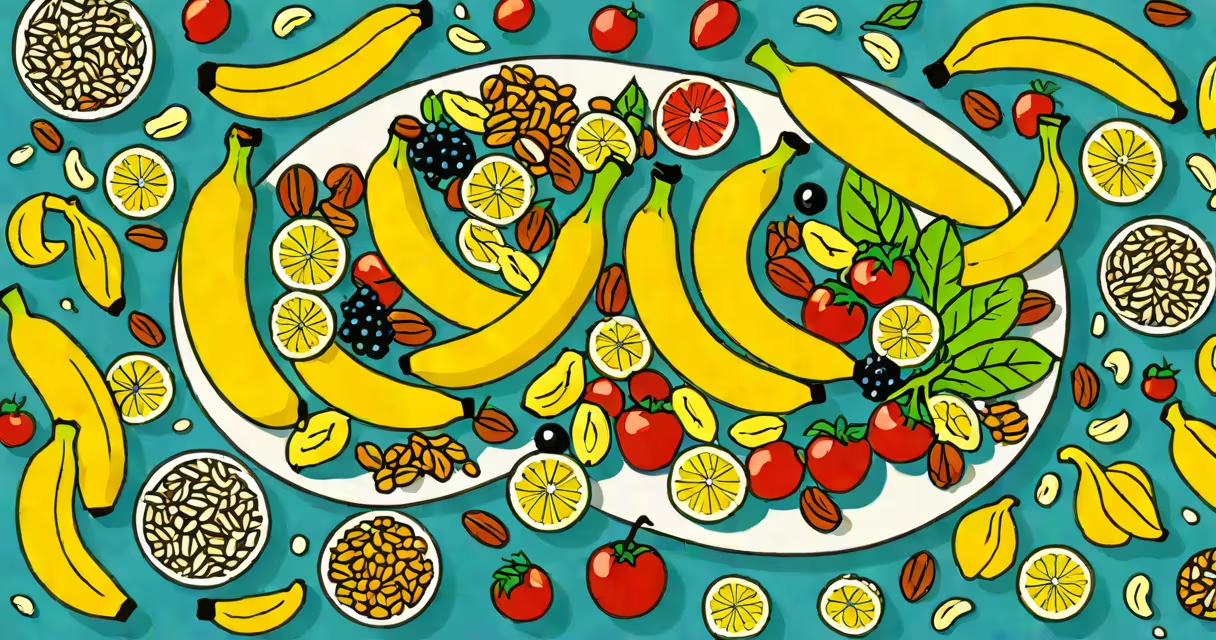
For example, a banana contains natural sugars, fiber, and potassium. The sugars provide immediate energy, while the fiber ensures a gradual release. A study by the National Institutes of Health confirms that bananas are effective at combating fatigue.
Exercise increases oxygen flow and releases endorphins, which reduce fatigue. Even a short walk can improve energy levels by stimulating blood circulation. High-intensity interval training (HIIT) is particularly effective for a quick energy boost.
I noticed a significant difference in my energy levels after incorporating a 20-minute brisk walk into my daily routine. Within a week, I felt more alert and less sluggish during the day.
Sleep is important for energy levels. Poor sleep quality leads to fatigue, while adequate sleep restores energy. Hydration also plays a key role; even mild dehydration can cause tiredness. Stress management techniques, such as meditation and deep breathing, help maintain energy levels by reducing mental fatigue.
Many people believe caffeine is the best energy booster. While caffeine provides a temporary spike, it often leads to a crash later. Natural energy sources, such as nutrient-rich foods and regular exercise, offer more sustainable benefits.
Another misconception is that sugary snacks provide long-lasting energy. These snacks cause a rapid spike in blood sugar followed by a crash, leading to increased fatigue. Complex carbohydrates and proteins are better choices for sustained energy.
Start by adding energy-rich foods to your diet, such as oats, nuts, and leafy greens. Incorporate short bursts of physical activity throughout the day, like taking the stairs instead of the elevator. Prioritize sleep by maintaining a consistent sleep schedule and creating a relaxing bedtime routine.