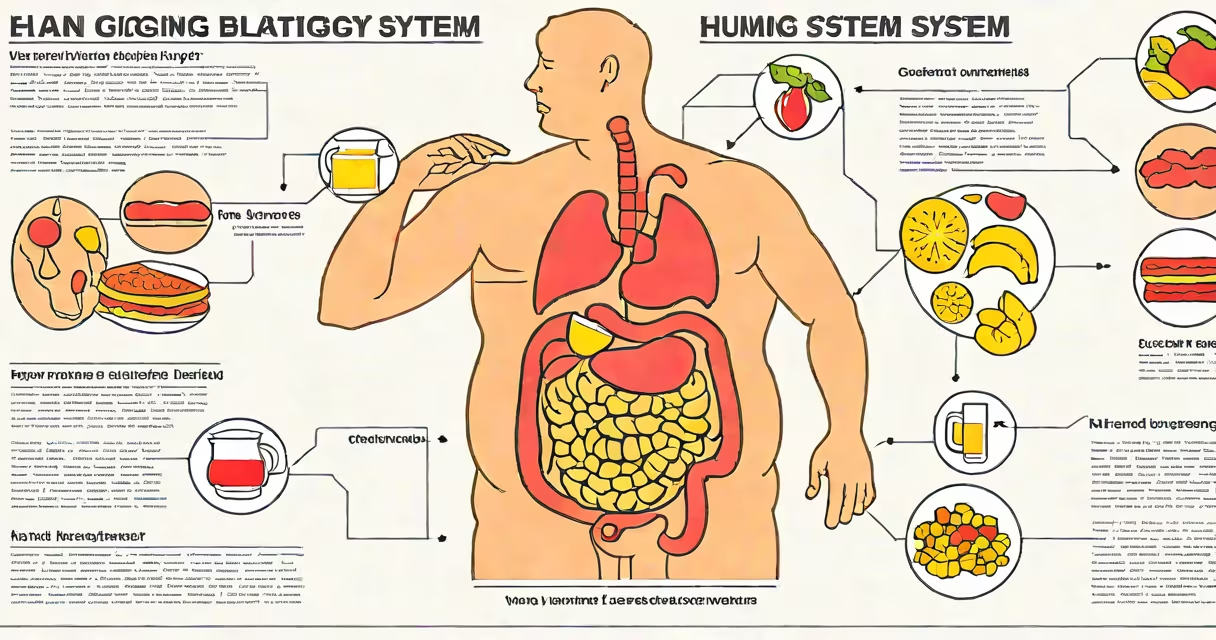
Excessive bloating and gas occur when the digestive system produces too much gas or struggles to expel it, often due to dietary choices, food intolerances, or underlying medical conditions. These issues affect about 16-31% of people regularly.
Your body produces gas during digestion as bacteria in your gut break down food. Swallowing air while eating or drinking also contributes. Most people pass gas 13-21 times daily, but excessive gas is typically over 25 times.
The most common causes fall into three categories: dietary triggers, digestive disorders, and lifestyle factors.
| Category | Examples | Typical Symptoms |
|---|---|---|
| Dietary Triggers | Beans, cruciferous vegetables, carbonated drinks, artificial sweeteners | Temporary discomfort, audible gurgling |
| Digestive Disorders | Irritable bowel syndrome (IBS), small intestinal bacterial overgrowth (SIBO) | Chronic pain, altered bowel habits |
| Lifestyle Factors | Chewing gum, smoking, eating too quickly | Occasional bloating, increased gas |
Lactose intolerance and gluten sensitivity are frequent culprits. For example, undigested lactose ferments in the colon, producing gas. A 2017 study in Nutrients found 68% of adults with lactose malabsorption experienced bloating after dairy consumption.
Consult a healthcare provider if bloating persists for over two weeks, causes significant pain, or occurs with unintended weight loss. These symptoms may indicate conditions like ovarian cysts or celiac disease.
I once helped a client eliminate chronic bloating by tracking their meals in a food diary. We identified onion as the trigger-cutting it out reduced their symptoms by 70% within two weeks.