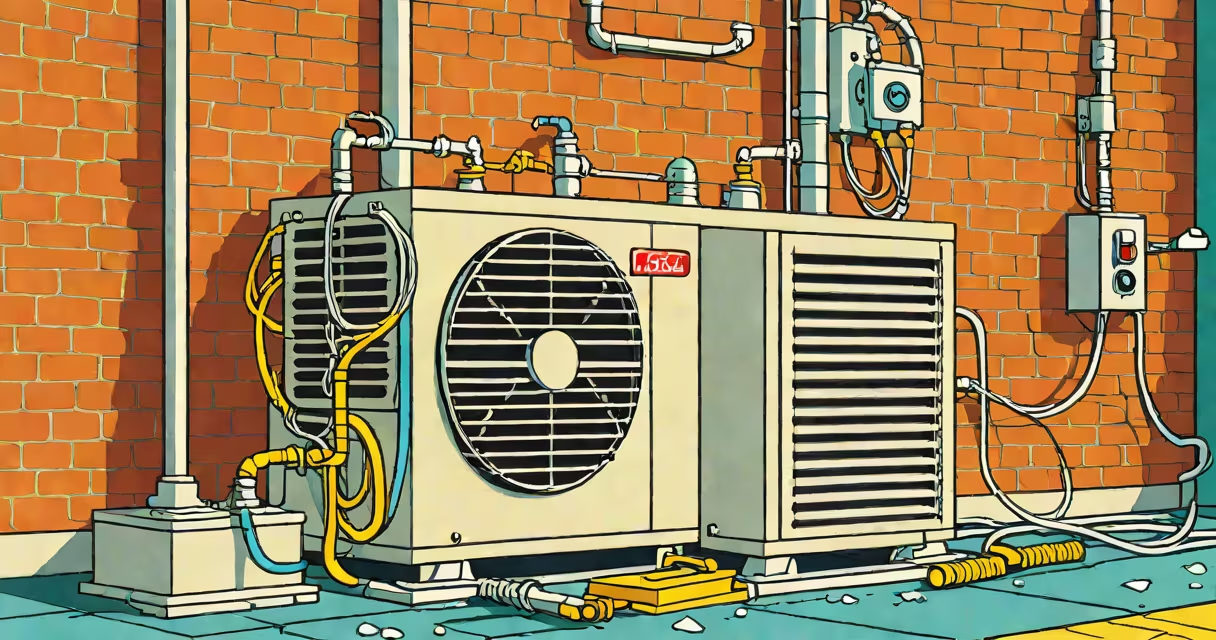
To clean an AC coil, use a commercial coil cleaner, mild detergent solution, or vinegar-water mix. These solutions remove dirt, debris, and grime while being safe for metal coils.
AC coils-evaporator and condenser-transfer heat efficiently when clean. Over time, dust, pollen, and debris coat the fins, insulating them and reducing performance. Cleaning restores heat transfer by removing buildup.
| Type | Ingredients | Best For |
|---|---|---|
| Commercial coil cleaner | Biodegradable surfactants, solvents | Heavy buildup, professional use |
| Mild detergent solution | Dish soap, water | Light cleaning, DIY |
| Vinegar-water mix | White vinegar, water (1:1) | Mild cleaning, eco-friendly |
Clean both indoor evaporator coils and outdoor condenser coils annually or whenever airflow drops. Dirty coils force the AC to work harder, increasing energy bills and wear. The U.S. Department of Energy notes that dirty coils can reduce efficiency by up to 30%.
Many assume high-pressure water or harsh chemicals are best. However, high pressure can bend delicate fins, and harsh chemicals may corrode coils. Always use gentle pressure and coil-safe solutions.
I once cleaned a client's AC coil with a pressure washer, damaging the fins. Afterward, I learned to use a soft brush and commercial cleaner, which restored efficiency without harm.
Regular AC coil cleaning improves efficiency and extends lifespan. Use coil-safe solutions and gentle methods to avoid damage. Check coils annually for optimal performance.