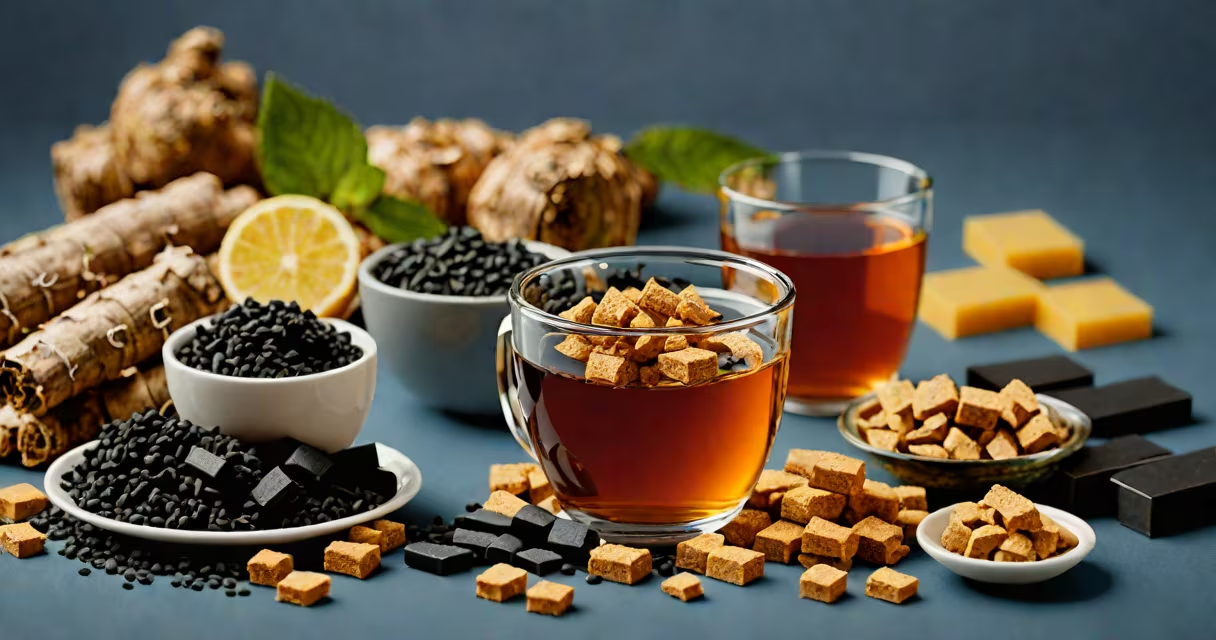
To prevent gas, you can take over-the-counter medications like simethicone or alpha-galactosidase, adjust your diet to avoid common triggers, and incorporate natural remedies such as peppermint oil or ginger. These approaches address gas production at different stages in the digestive process.
Gas forms when bacteria in your gut ferment undigested food. This happens because your small intestine doesn't fully break down certain carbohydrates, proteins, or fibers. When these undigested particles reach your large intestine, gut bacteria produce gas as a byproduct of digestion.
Common culprits include beans, lentils, cruciferous vegetables, onions, and artificial sweeteners. Chewing gum or drinking carbonated beverages can also introduce excess air into your stomach, worsening gas.
The most effective ways to prevent gas fall into three categories: dietary adjustments, over-the-counter medications, and natural remedies. Some people benefit from combining these methods.
| Method | How It Works | Best For |
|---|---|---|
| Dietary Adjustments | Eliminates gas-triggering foods | People with food intolerances |
| Over-the-Counter Medications | Breaks down gas bubbles or aids digestion | Occasional gas relief |
| Natural Remedies | Reduces bloating and gas naturally | Long-term digestive health |
Avoiding high-FODMAP foods (fermentable oligosaccharides, disaccharides, monosaccharides, and polyols) is one of the most effective ways to prevent gas. These carbohydrates are poorly absorbed in the small intestine and ferment quickly in the large intestine, producing gas.
Common high-FODMAP foods include beans, lentils, broccoli, cabbage, onions, garlic, and artificial sweeteners like sorbitol and xylitol. Switching to low-FODMAP alternatives, such as carrots, zucchini, or spinach, can help reduce gas.
Simethicone (Gas-X, Mylanta Gas) is an anti-foaming agent that breaks down gas bubbles in the stomach, making them easier to pass. Alpha-galactosidase (Beano) is an enzyme supplement that helps digest complex carbohydrates in beans and vegetables, reducing gas production.
Probiotics (like Lactobacillus acidophilus) may also help balance gut bacteria and improve digestion. However, results vary, and some probiotic strains can increase gas in sensitive individuals.
Peppermint oil capsules contain menthol, which relaxes digestive muscles and reduces bloating. Ginger tea or supplements can also ease gas by speeding up digestion. Activated charcoal binds to gas molecules in the gut, but research on its effectiveness is limited.
I once tried peppermint oil capsules before a long flight and noticed less bloating afterward. While individual results vary, many people find relief with natural remedies.
If gas is severe, persistent, or accompanied by symptoms like diarrhea, constipation, or abdominal pain, consult a doctor. These could indicate conditions like lactose intolerance, celiac disease, or irritable bowel syndrome (IBS).
For instance, if you frequently experience gas along with diarrhea, you might have a food intolerance. In that case, you may need to take what to take to prevent diarrhea alongside gas-preventing measures.
Some people confuse gas prevention with urinary tract infection (UTI) prevention or diarrhea prevention. While digestive health affects well-being, these conditions require different treatments. For example, cranberry supplements help prevent UTIs, while oral rehydration solutions treat diarrhea.