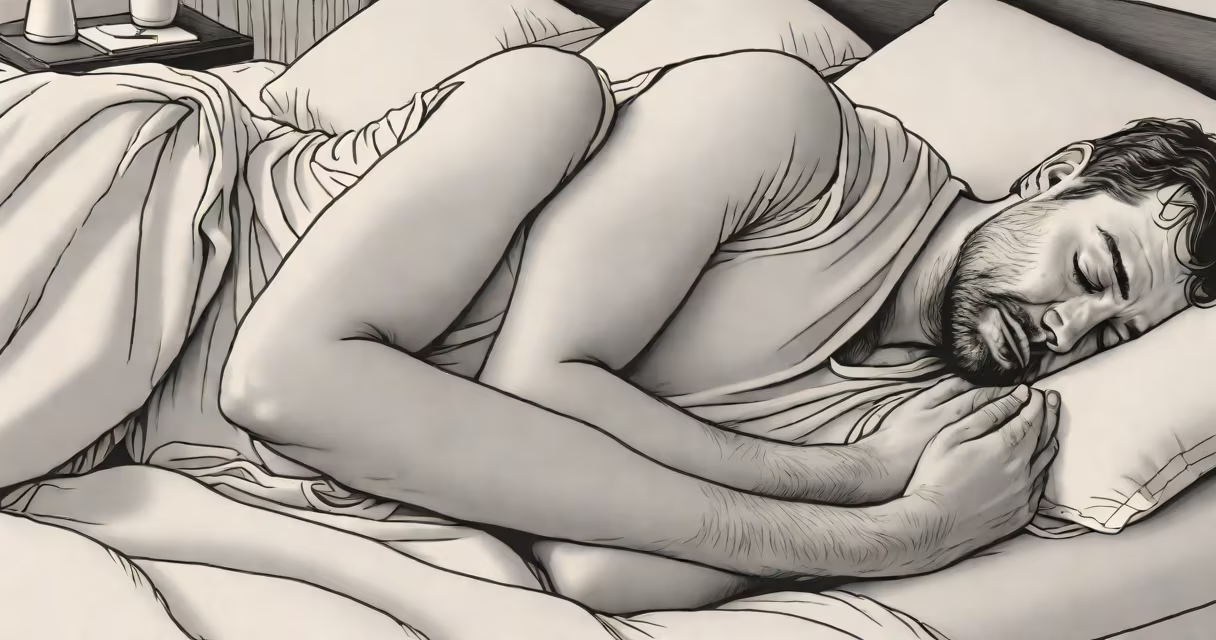
Night sweats refer to excessive sweating during sleep that soaks through clothing or bedding, often linked to medical conditions or hormonal changes.
While everyone sweats during sleep, night sweats involve drenching perspiration unrelated to room temperature. The National Institutes of Health notes that true night sweats occur independently of environmental factors, typically waking the sleeper.
Night sweats stem from various sources, including:
Consult a healthcare provider if night sweats persist for weeks, accompany unexplained weight loss, or disrupt daily life. The Mayo Clinic advises evaluating night sweats alongside other symptoms for accurate diagnosis.
I once had a patient with persistent night sweats who assumed it was menopause-related. After testing, we discovered an undiagnosed thyroid condition. This highlights the importance of professional evaluation.
People often confuse night sweats with normal sweating or stress-induced perspiration. Unlike stress-related sweating, night sweats occur during sleep and aren't triggered by anxiety.
Another myth is that night sweats only affect older adults. While menopause is a common cause, younger individuals may also experience them due to infections or hormonal imbalances.
For those experiencing leg cramps at night alongside sweating, explore what do leg cramps at night mean.
Doctors diagnose night sweats through patient history, physical exams, and tests like blood work or imaging. The American Academy of Sleep Medicine recommends tracking symptoms with a sleep diary to identify patterns.
Treatment targets the underlying cause, whether hormonal therapy for menopause or antibiotics for infections. Lifestyle adjustments, such as cooling the bedroom or avoiding spicy foods, can also help manage symptoms.