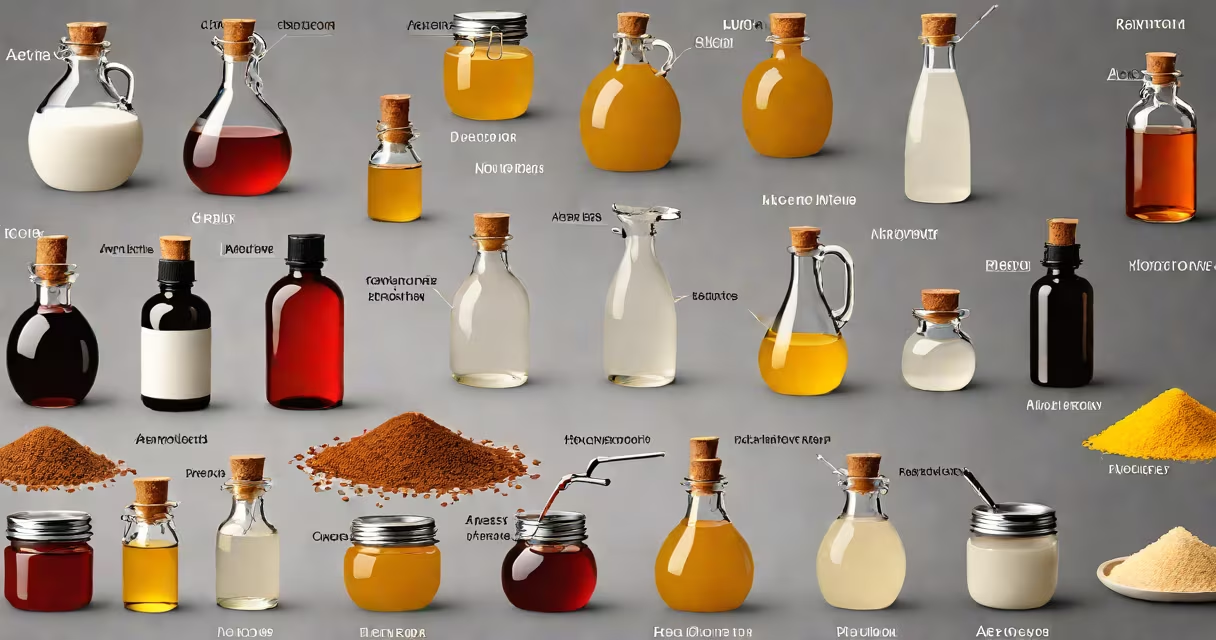
Acetone substitutes are solvents that perform similar functions in cleaning, nail care, and industrial applications. Common alternatives include isopropyl alcohol, ethyl acetate, and citrus-based solvents.
Acetone is a useful solvent that dissolves many organic compounds. Alternatives work similarly by breaking down substances like adhesives, oils, and resins. However, they often have different strengths, safety profiles, and environmental impacts.
Acetone substitutes fall into several categories, each suited for specific tasks:
| Type | Common Uses | Effectiveness |
|---|---|---|
| Isopropyl Alcohol (IPA) | Electronics cleaning, glass cleaning | High |
| Ethyl Acetate | Nail polish remover, adhesive removal | Moderate |
| Citrus-Based Solvents | Grease removal, degreasing | Low to Moderate |
| Methyl Ethyl Ketone (MEK) | Paint thinner, industrial cleaning | Very High |
Acetone is often replaced due to its strong odor, flammability, and potential health risks. For example, in electronics repair, isopropyl alcohol is preferred because it evaporates quickly without leaving residues. In nail salons, ethyl acetate is a common substitute in acetone-free nail polish removers.
One non-obvious fact: citrus-based solvents, while less effective than acetone, are often chosen for their biodegradability and lower toxicity. According to the Environmental Protection Agency (EPA), these solvents break down more easily in the environment, making them a greener choice for some applications.
Many people assume that all acetone substitutes are equally effective. However, this is not true. For instance, while isopropyl alcohol is excellent for cleaning electronics, it may not be strong enough to remove heavy-duty adhesives. Similarly, ethyl acetate is gentler on skin but less effective on tough stains compared to acetone.
Imagine you need to remove adhesive residue from a plastic surface. Instead of using acetone, which can damage some plastics, you could use methyl ethyl ketone (MEK). MEK is stronger than isopropyl alcohol and less likely to harm plastics. Here's how you would use it:
I once used MEK to clean a plastic component in a lab setting. The adhesive came off easily without damaging the plastic, proving that MEK is a viable alternative to acetone in such scenarios.