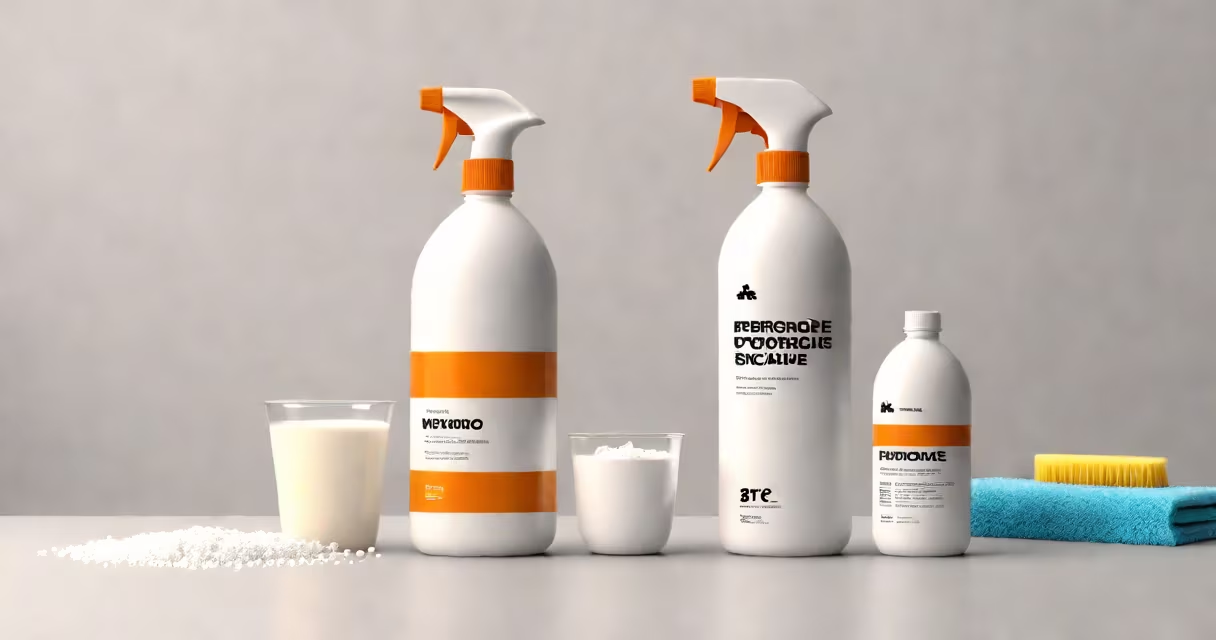
Peroxide, specifically hydrogen peroxide, is a colorless liquid used for cleaning, disinfecting, and medical purposes. Its oxidizing properties make it effective for killing bacteria, viruses, and fungi.
Hydrogen peroxide (H₂O₂) releases oxygen atoms when it encounters organic material. This process breaks down stains, kills microorganisms, and bleaches surfaces. The concentration determines its use-lower concentrations (3%) are safe for household tasks, while higher ones require caution.
The most common applications fall into three categories:
Household cleaning tops the list. A 3% solution removes bloodstains from clothing and deodorizes kitchen sponges. In medicine, it's a mild antiseptic for small scrapes. Gardeners use it to sterilize pruning tools between plants, preventing disease spread.
Many assume peroxide is always safe at low concentrations, but it can irritate skin and eyes. It's not a substitute for alcohol-based disinfectants against all pathogens. For example, it's less effective against norovirus than bleach.
I once used peroxide to clean a moldy shower grout. After scrubbing, the mold disappeared, but the grout turned white-a side effect of peroxide's bleaching action. It worked, but the color change was unexpected.
| Property | Peroxide | Bleach |
|---|---|---|
| Primary Use | Disinfection, stain removal | Whitening, heavy-duty cleaning |
| Effectiveness Against Germs | Kills bacteria and viruses | More potent against a wider range of pathogens |
| Safety | Safer for surfaces and fabrics | Can damage surfaces and fabrics |
For more details on what can you use hydrogen peroxide for, including specific concentrations and safety tips, consult the CDC guidelines.
Avoid using it on metals like aluminum or brass, as it can cause corrosion. It's also not suitable for deep wound cleaning-it can damage healthy tissue. Always dilute properly and never mix it with vinegar or bleach, as toxic fumes can form.
Peroxide is a useful, versatile tool for cleaning, disinfecting, and minor medical care. However, proper usage and safety precautions are essential to avoid unintended damage or harm.