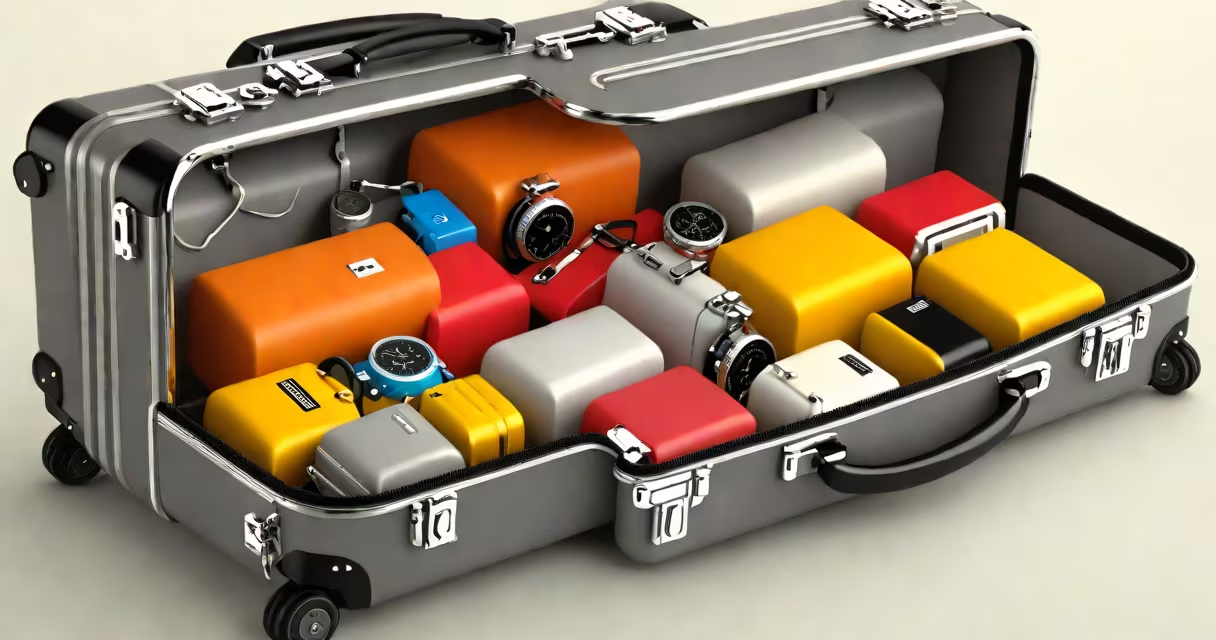
Most U.S. airlines allow carry-on bags measuring 22 inches long, 14 inches wide, and 9 inches tall, including handles and wheels. Personal items like purses or laptop bags must fit under the seat and typically cannot exceed 18x14x8 inches.
Airlines enforce size limits to maximize cabin space. Overhead bins have standardized dimensions, so bags exceeding 22x14x9 inches may not fit. Airlines use sizer boxes at check-in to verify compliance.
Carry-on policies vary by airline. Here's a comparison of major U.S. carriers:
Size limits apply to all flights, including domestic and international routes. Airlines prioritize safety and efficiency, ensuring passengers can store bags overhead or under seats without blocking aisles.
Many travelers assume all airlines follow the same rules. However, budget airlines often impose stricter limits. For example, Spirit Airlines allows carry-ons up to 22x18x10 inches but charges fees for larger bags. Always check your airline's policy before packing.
Before my last trip, I packed a 22x14x9-inch carry-on and an 18x14x8-inch personal item. At check-in, both fit perfectly in Delta's sizer boxes. On the flight, my bag slid easily into the overhead bin, while my personal item tucked neatly under the seat.
Some airlines, like JetBlue, permit slightly larger carry-ons (24x10x16 inches) but enforce stricter weight limits (22 pounds). Always verify both dimensions and weight restrictions.
When I flew Allegiant, my 22x14x9-inch carry-on fit, but my friend's slightly larger bag was rejected. The airline's 16x13x7-inch personal item limit also surprised me-I had to repack my backpack to comply.