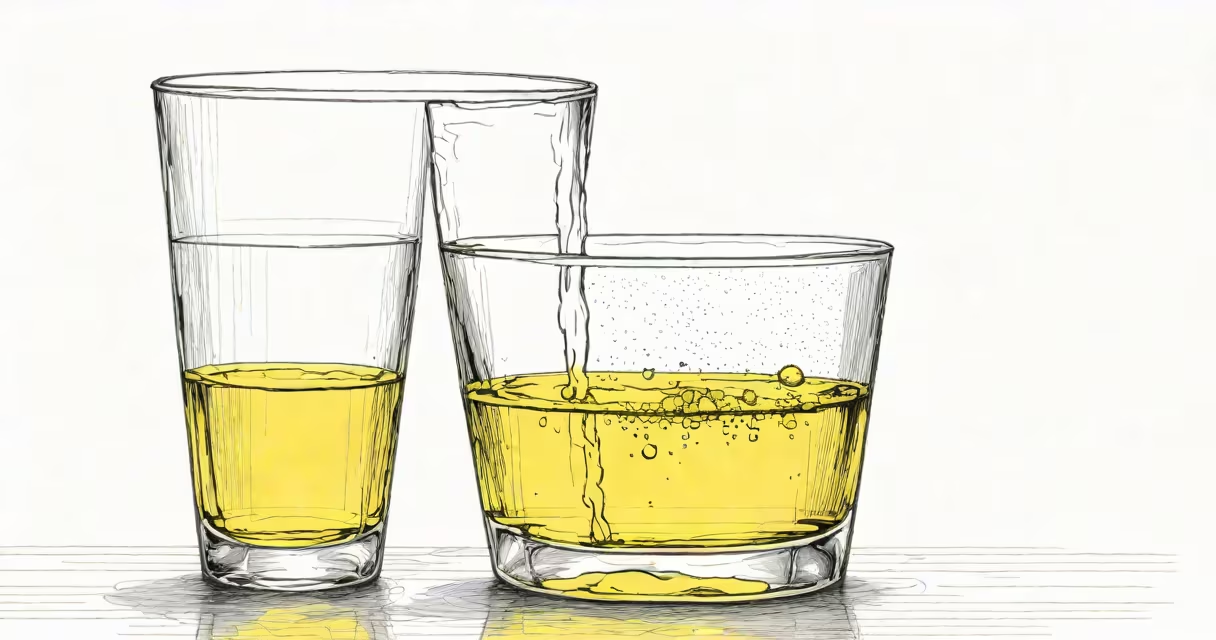
Your urine appears yellow due to natural pigments produced during the breakdown of red blood cells. The intensity varies based on hydration, diet, and health conditions.
Urine color results from urobilin, a byproduct of bilirubin processing. Bilirubin itself comes from hemoglobin breakdown in the liver. As these pigments dilute in urine, they create the familiar yellow hue.
| Color | Possible Cause |
|---|---|
| Pale yellow | Normal hydration |
| Bright yellow | High vitamin B2 intake or dehydration |
| Dark yellow | Dehydration or liver issues |
While slight variations are normal, extremely dark or unusually light urine may indicate health issues. For instance, brown urine can signal liver problems or severe dehydration (see here). Similarly, very pale urine often points to overhydration.
A personal experience: I once noticed my urine was brighter than usual after eating several servings of citrus fruits. Checking with a doctor confirmed it was harmless-just the result of high vitamin C intake.
Many people assume dark urine always means dehydration. However, certain medications, foods, and medical conditions can also alter urine color without being related to hydration levels.
Maintaining proper hydration is key. Drinking enough water helps keep urine within the normal pale yellow to transparent range. If unusual colors persist, consulting a healthcare provider is advisable.