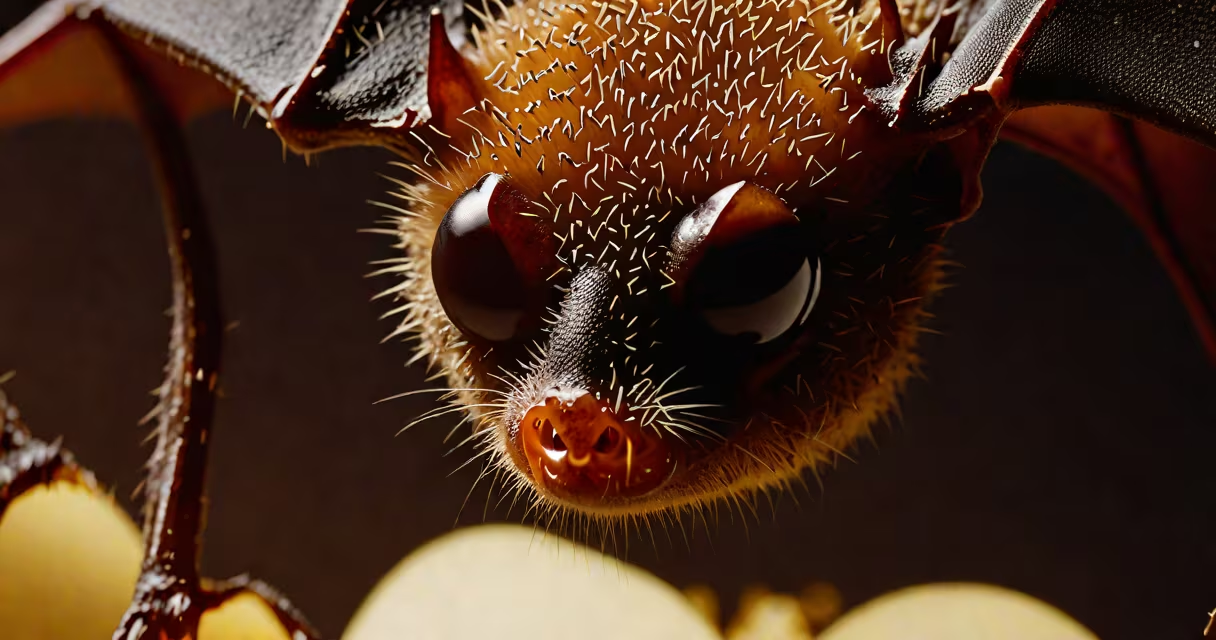
Rabies is primarily carried by mammals, especially those that bite, including raccoons, bats, foxes, and skunks. The virus spreads through saliva, usually via bites or scratches, though not all animals transmit it equally.
Rabies spreads when an infected animal bites another, transferring the virus through saliva. The virus travels along nerves to the brain, causing inflammation and eventually death if untreated. Bats account for most rabies cases in the U.S., while dogs remain the primary global source.
The most common carriers vary by region:
| Region | Primary Carriers |
|---|---|
| United States | Bats, raccoons, skunks, foxes |
| Europe | Foxes, bats, raccoons |
| Africa/Asia | Dogs, bats, mongooses |
In the U.S., bats cause about 70% of rabies cases in animals. Skunks and foxes follow, while raccoons dominate in the eastern U.S. Globally, dogs cause 99% of human rabies deaths, mostly in Africa and Asia.
Many assume all wild animals carry rabies, but most don't. For example, rodents like squirrels and mice rarely transmit it. Birds, reptiles, and amphibians cannot carry rabies. Even among bats, only about 6% test positive for the virus.
To avoid exposure, avoid contact with stray or wild animals. If bitten, clean the wound thoroughly and seek medical attention immediately. Vaccines exist for high-risk groups, such as veterinarians and wildlife workers. Post-exposure prophylaxis (PEP) can prevent infection if given promptly.