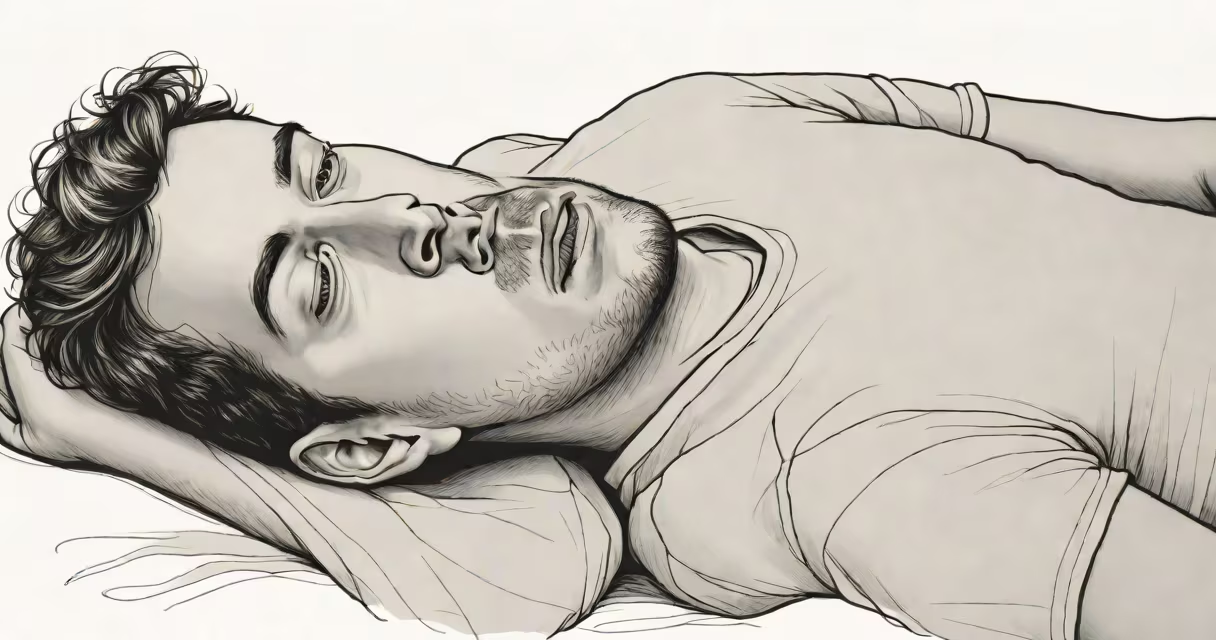
Breathlessness when lying down, called orthopnea, happens when fluid builds up in the lungs or airways narrow. It forces you to prop yourself up to breathe comfortably.
Orthopnea occurs because gravity affects how fluids move in your body. When lying flat, fluid shifts into your chest, making it harder for your lungs to expand. This triggers shortness of breath. The condition often worsens at night because lying down for extended periods allows fluid to accumulate.
The most common causes of orthopnea include:
Many people confuse orthopnea with other conditions like gastroesophageal reflux disease (GERD) or anxiety. However, GERD causes discomfort in the chest and throat due to stomach acid rising, while anxiety leads to rapid, shallow breathing. Orthopnea specifically involves difficulty breathing when lying flat, often due to fluid accumulation or airway obstruction.
If you experience breathlessness when lying down, consult a healthcare provider. They may recommend tests like a chest X-ray, echocardiogram, or sleep study to diagnose the underlying cause. Treatment options vary depending on the condition but may include medications, lifestyle changes, or breathing therapies.
For instance, if the cause is heart failure, doctors might prescribe diuretics to reduce fluid retention. For COPD, bronchodilators can help open airways. In cases of sleep apnea, continuous positive airway pressure (CPAP) machines are often used.
Understanding what causes breathlessness when lying down is important for identifying and managing the underlying condition. If symptoms persist or worsen, seek medical attention promptly.