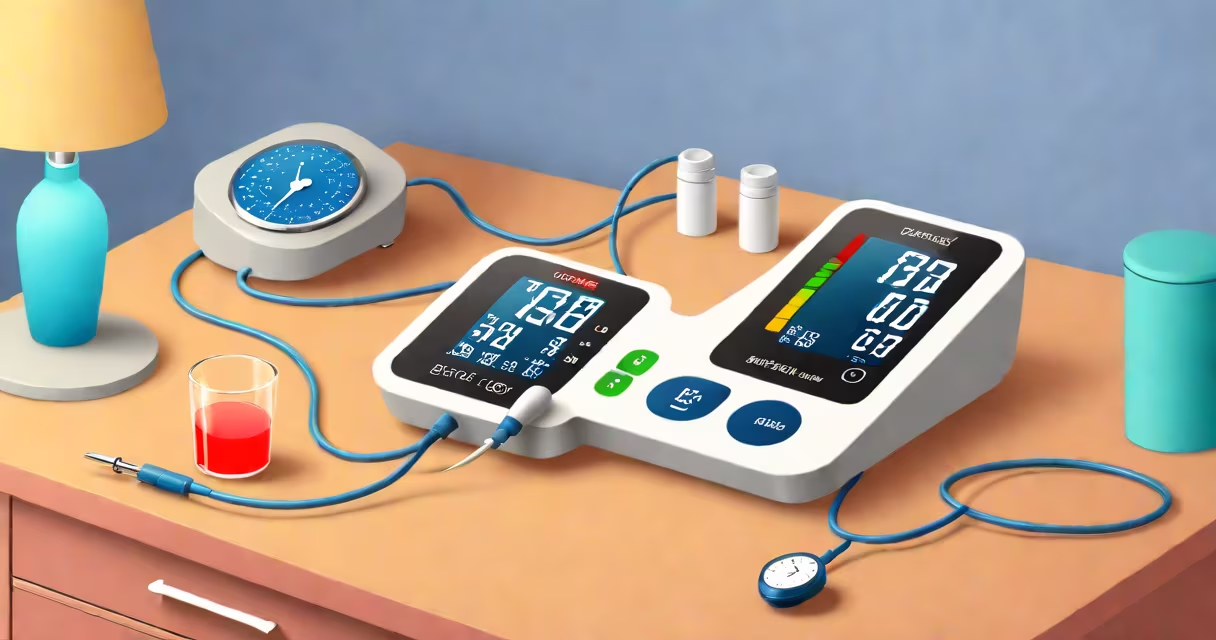
Blood pressure spikes at night due to factors like sleep apnea, stress, or dietary triggers. These spikes can disrupt sleep and increase cardiovascular risk.
Blood pressure naturally fluctuates throughout the day, typically dropping by 10-20% during sleep. However, when it spikes at night, it may indicate an underlying issue. The American Heart Association notes that nocturnal hypertension is linked to higher risks of heart attack and stroke.
The most common causes include:
Many people assume that blood pressure only rises due to physical activity or stress during the day. However, nighttime spikes often go unnoticed until symptoms like headaches or insomnia appear. Unlike daytime spikes, which may be linked to activity, nighttime spikes are frequently tied to underlying health conditions.
John, a 45-year-old office worker, noticed his blood pressure monitor showing elevated readings at night. After consulting a doctor, he was diagnosed with mild sleep apnea. Adjusting his sleep position and using a continuous positive airway pressure (CPAP) machine helped stabilize his blood pressure.
To manage nighttime spikes, experts recommend monitoring blood pressure regularly, maintaining a consistent sleep schedule, and avoiding stimulants before bed. If spikes persist, consulting a healthcare provider is essential.