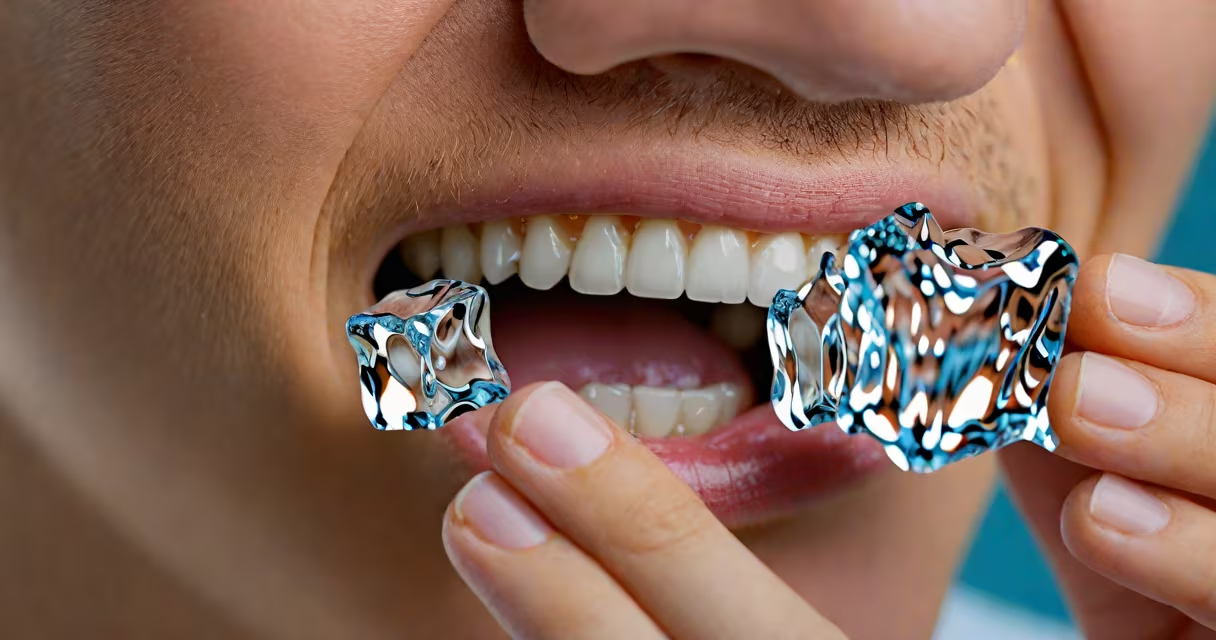
Tooth sensitivity to cold occurs when exposed dentin or damaged enamel allows temperature changes to reach the tooth's inner nerves. This triggers pain signals, often due to receding gums, cavities, or enamel erosion.
Teeth contain fluid-filled microscopic tubes called dentinal tubules. When enamel wears away or gums recede, these tubes become exposed. Cold temperatures cause the fluid inside to move rapidly, stimulating the nerves beneath and creating a sharp, sudden pain.
The most common causes of cold-sensitive teeth fall into three categories:
Many people assume cold sensitivity is always temporary or harmless. However, persistent sensitivity often indicates underlying damage. For example, a small cavity may not cause pain at room temperature but will trigger sharp reactions to cold. Ignoring this can lead to more severe decay.
Switching to a soft-bristled toothbrush and using desensitizing toothpaste can help. Fluoride treatments strengthen enamel, while dental bonding or gum grafts address deeper issues. If sensitivity persists, see a dentist to rule out cavities or cracks.
I once had a patient who complained of cold sensitivity but had no visible cavities. A closer exam revealed a hairline crack in a molar. After repairing it, the sensitivity disappeared. This shows why persistent cold sensitivity always warrants professional evaluation.