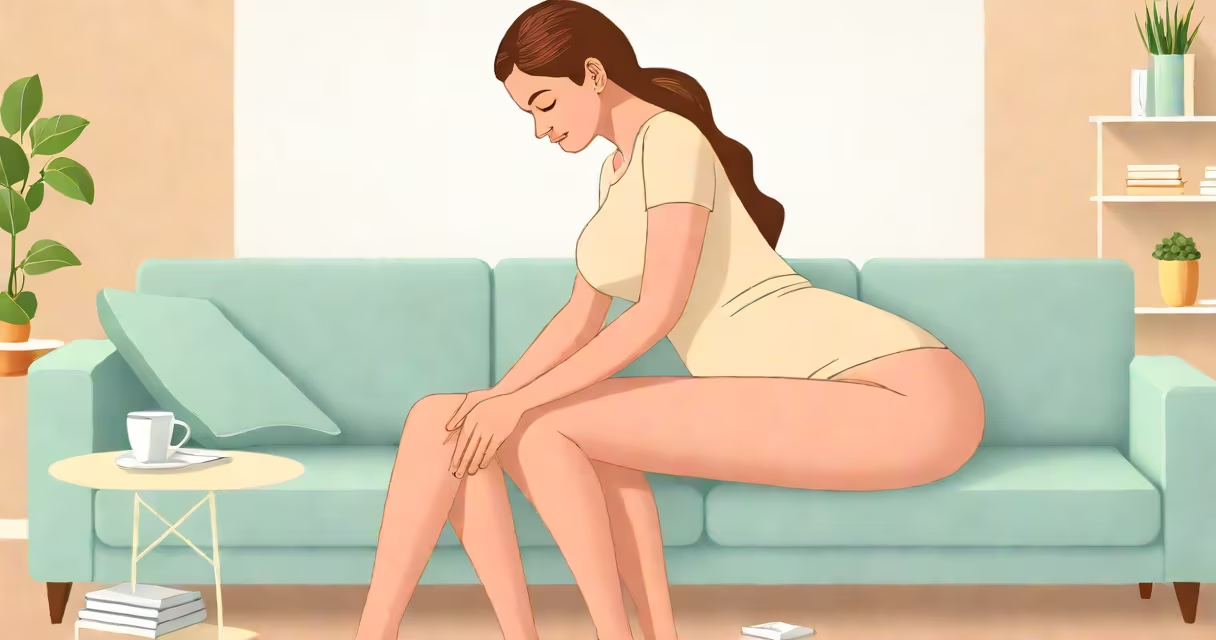
Low back pain during pregnancy results primarily from hormonal changes, weight gain, and posture shifts. These factors combine to stress the muscles, ligaments, and joints supporting the spine.
During pregnancy, the hormone relaxin increases to loosen ligaments and joints in the pelvic area. This prepares the body for childbirth but also reduces support for the lower back, leading to discomfort. A study published in the Journal of Chiropractic Medicine found that relaxin levels peak in the first trimester and remain elevated throughout pregnancy.
Pregnant women typically experience two types of back pain:
Posterior pelvic pain is more common, affecting about 60% of pregnant women, according to research from the American Journal of Obstetrics & Gynecology.
Back pain often starts between the sixth and eighth weeks of pregnancy and peaks in the third trimester. The growing uterus shifts the center of gravity forward, forcing the lower back to compensate. This added strain, combined with weight gain, exacerbates discomfort.
Many believe back pain during pregnancy is unavoidable. However, proper posture, exercise, and support can reduce symptoms. For example, wearing a maternity belt can help distribute weight more evenly, reducing strain on the lower back.
Sarah, a 32-year-old expecting her first child, noticed lower back pain at 12 weeks. Her doctor recommended prenatal yoga and a supportive pillow for sleeping. By the third trimester, her discomfort decreased due to improved posture and muscle strength.
If you're experiencing additional pain in your legs, learn about potential causes and solutions.