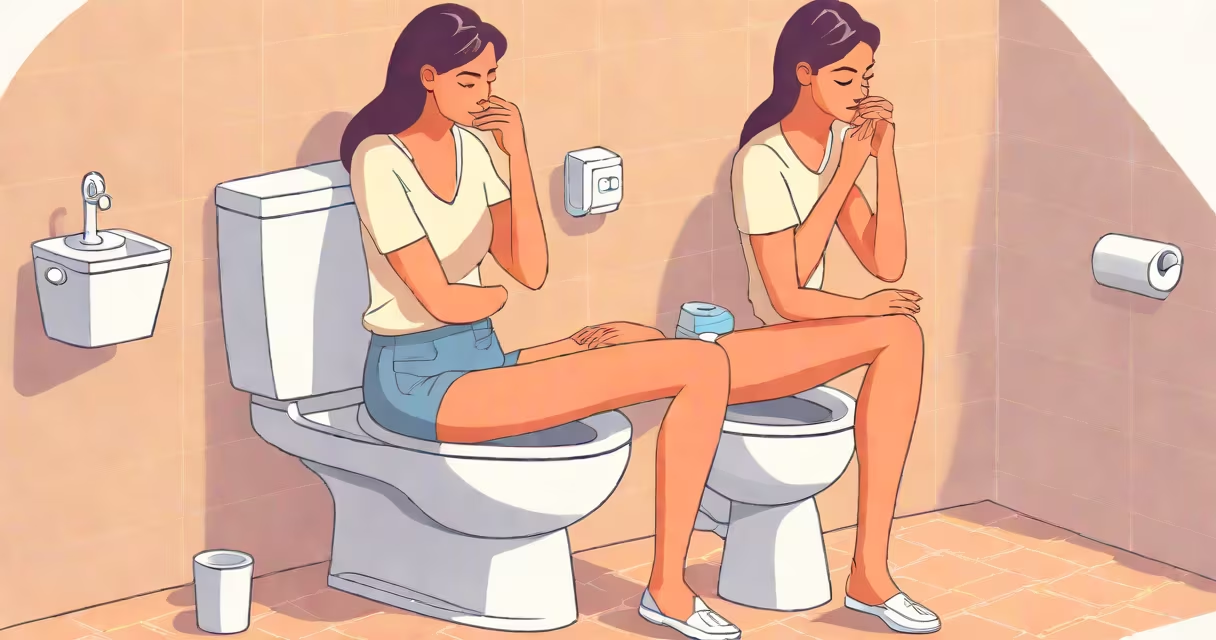
A urinary tract infection (UTI) after intercourse occurs due to bacterial introduction near the urethra during sexual activity, often causing inflammation and infection. This common issue affects people with vaginas more frequently due to anatomical differences.
During intercourse, the urethra can come into contact with bacteria from the vaginal area or anus. In women, the urethra is close to the vagina and anus, making it easier for bacteria to enter. The friction and movement during sex can also push bacteria into the urethra, leading to an infection.
The most common bacterium responsible for UTIs is Escherichia coli (E. coli), which normally lives in the intestines. Other bacteria, such as Klebsiella and Staphylococcus saprophyticus, can also cause UTIs.
UTIs can occur in different parts of the urinary system:
| Type | Location | Symptoms |
|---|---|---|
| Urethritis | Urethra | Burning sensation during urination, frequent urge to urinate |
| Cystitis | Bladder | Pelvic pressure, lower abdominal pain, frequent and painful urination |
| Pyelonephritis | Kidneys | Fever, chills, back pain, nausea, vomiting |
Sexual activity can introduce bacteria into the urinary tract, especially in people with shorter urethras, such as those assigned female at birth. The mechanical action of intercourse can also irritate the urethral opening, making it more susceptible to bacterial entry.
Hormonal changes, such as those occurring during menopause, can also increase the risk of UTIs after intercourse. Lower estrogen levels can lead to thinning of the vaginal walls and changes in the urinary tract, making it easier for bacteria to cause an infection.
One common misconception is that only sexually active individuals can develop UTIs after intercourse. However, any form of sexual activity that involves contact with the genital area can increase the risk, including penetrative sex, oral sex, and even sexual toys.
Another myth is that drinking cranberry juice can prevent UTIs. While cranberry products may have some beneficial properties, they are not a guaranteed prevention method. Staying hydrated, urinating before and after intercourse, and maintaining good hygiene are more effective strategies.
To reduce the risk of developing a UTI after intercourse, consider the following tips:
If you experience frequent UTIs after intercourse, consult a healthcare provider. They may recommend additional preventive measures or treatments tailored to your specific needs.