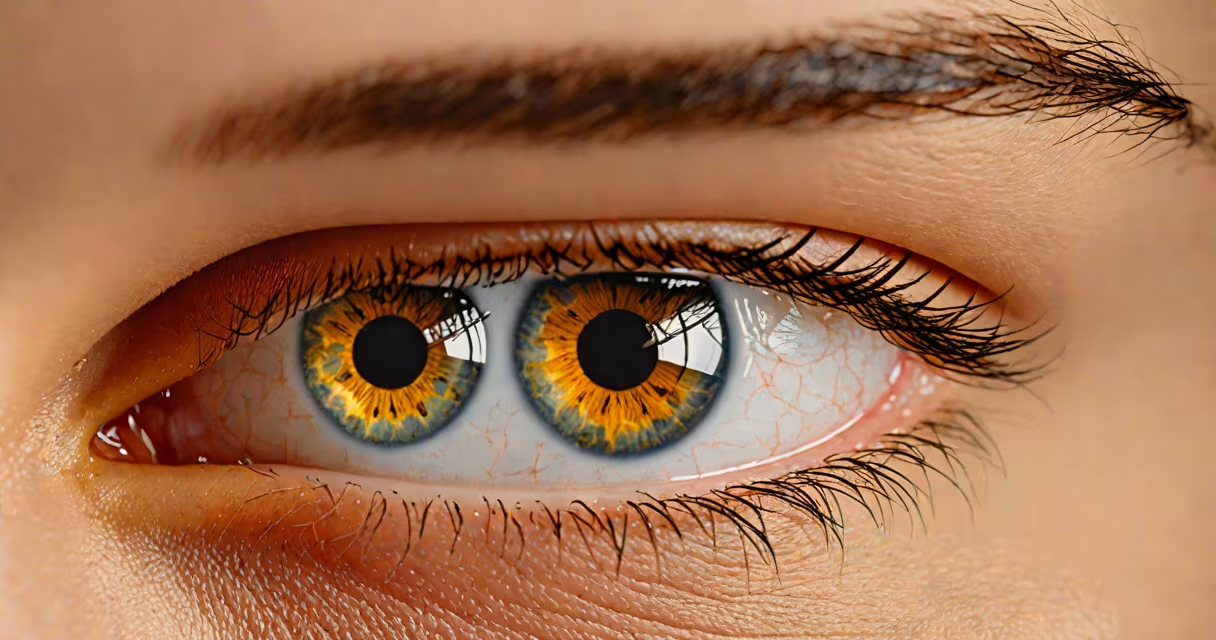
Graves' disease triggers the immune system to attack the thyroid, causing it to produce too many hormones. These excess hormones stimulate tissues behind the eye to swell, pushing the eyeballs forward. The condition often leads to red, swollen, or irritated eyes due to inflammation and pressure.
| Type | Cause | Associated Conditions |
|---|---|---|
| Unilateral exophthalmos | One eye bulges | Orbital tumors, abscesses, or infections |
| Bilateral exophthalmos | Both eyes bulge | Graves' disease, hyperthyroidism, or hypothyroidism |
While Graves' disease is the most common cause, other conditions can lead to bulging eyes:
Consult a healthcare professional if you notice bulging eyes along with any of these symptoms:
Early diagnosis and treatment are important, especially if the condition is linked to Graves' disease or other serious underlying issues.
Doctors diagnose bulging eyes through physical exams, imaging tests (like CT scans or MRIs), and blood tests to check thyroid function. Treatment depends on the cause but may include medications, surgery, or lifestyle changes to manage underlying conditions.
I once helped a friend who noticed slight bulging in one eye. After visiting an ophthalmologist, they were diagnosed with a minor infection, which cleared up with antibiotics. Early intervention prevented any long-term damage.
While not all cases of bulging eyes can be prevented, managing underlying conditions like thyroid disorders can reduce the risk. Regular eye exams and prompt treatment of infections or injuries also help maintain eye health.