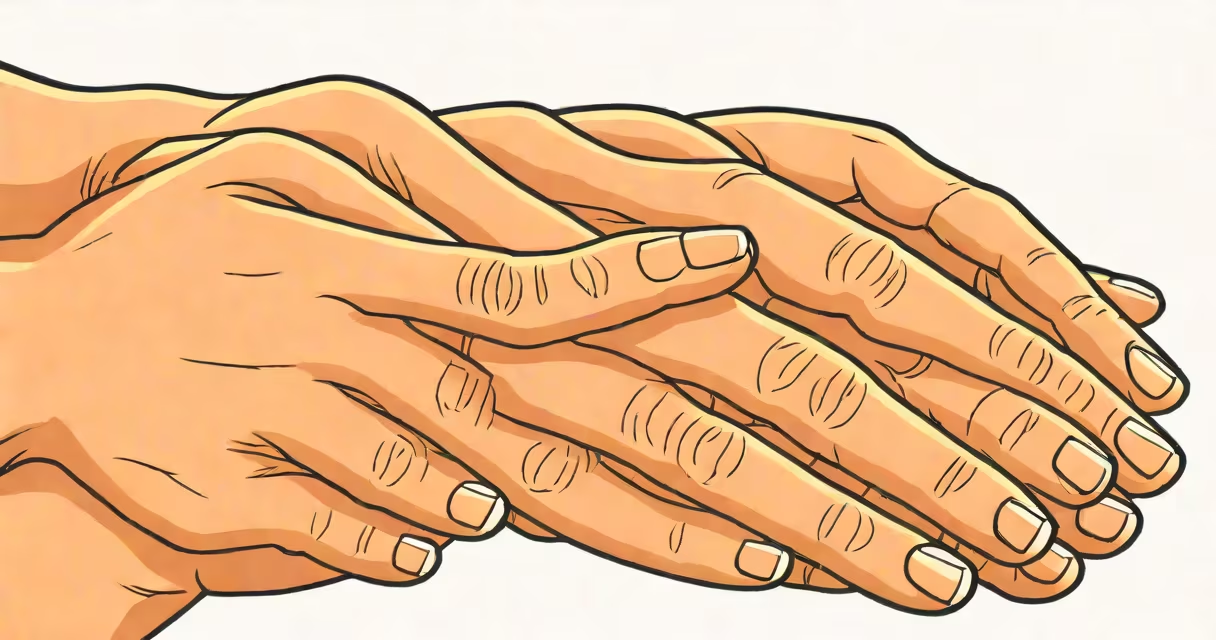
Swelling in the hands occurs when excess fluid builds up in the tissues, often due to injury, inflammation, or underlying health conditions. This condition, known as edema, can be temporary or chronic depending on the cause.
Hand swelling happens when small blood vessels leak fluid into nearby tissues. The body usually reabsorbs this fluid, but certain factors disrupt this process. Common triggers include trauma, allergies, or systemic diseases affecting fluid balance.
Hand swelling can be classified based on its duration and underlying cause:
| Type | Duration | Common Causes |
|---|---|---|
| Acute Swelling | Sudden onset, short-term | Injury, insect bite, allergic reaction |
| Chronic Swelling | Long-lasting, persistent | Arthritis, kidney disease, heart failure |
Several factors can lead to hand swelling, ranging from minor issues to serious medical conditions. Common causes include:
While minor swelling may resolve on its own, persistent or severe swelling requires medical attention. Seek help if swelling is accompanied by pain, redness, warmth, or difficulty moving the hand. Chronic swelling without an obvious cause should also be evaluated by a healthcare professional.
In my experience working with patients, I've noticed that many overlook mild swelling, assuming it's harmless. However, persistent swelling can indicate underlying health issues that need addressing. Early diagnosis and treatment are important for managing conditions like lymphedema or heart-related edema.
To reduce the risk of hand swelling, maintain a balanced diet low in sodium, stay hydrated, and exercise regularly. Avoid prolonged periods of inactivity, as this can lead to fluid buildup. If swelling persists, consult a healthcare provider to identify and address the underlying cause.