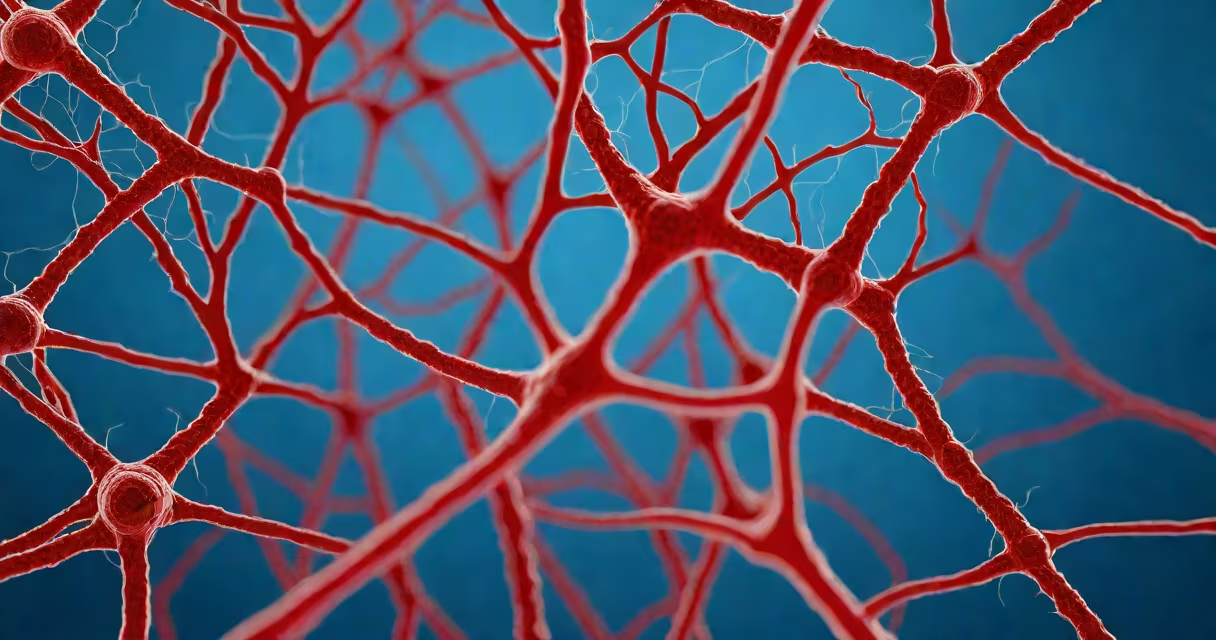
Capillaries are the smallest and most numerous blood vessels in the human body, forming an extensive network that facilitates the exchange of oxygen, nutrients, and waste products between blood and tissues.
Capillaries connect arteries and veins, creating a bridge for blood flow between the two. Their thin walls, composed of a single layer of endothelial cells, allow for efficient diffusion of substances. Oxygen and nutrients pass from the bloodstream into surrounding tissues, while carbon dioxide and waste products move in the opposite direction.
There are three primary types of capillaries, each suited to different functions:
| Type | Structure | Function |
|---|---|---|
| Continuous | Tight junctions with minimal gaps | Found in muscles, skin, and the central nervous system; provide a barrier to large molecules |
| Fenestrated | Small pores or fenestrations | Located in kidneys, intestines, and endocrine glands; help rapid exchange of substances |
| Sinusoidal | Large gaps and a discontinuous basement membrane | Present in the liver, spleen, and bone marrow; allow the passage of cells and large molecules |
Capillaries are ubiquitous throughout the body, ensuring that every cell receives the necessary nutrients and oxygen to function. For instance, in the lungs, capillaries surround alveoli, facilitating gas exchange. In muscles, they deliver oxygen during physical activity and remove lactic acid afterward.
One common misconception is that capillaries are merely tiny versions of arteries or veins. In reality, their unique structure and function set them apart. Unlike larger blood vessels, capillaries lack smooth muscle and are not involved in regulating blood pressure. Instead, their primary role is exchange.
Another mistake is assuming that all capillaries are the same. As shown in the table above, their structure varies depending on their location and function. For example, the capillaries in the brain are continuous, providing a protective barrier, while those in the liver are sinusoidal, allowing for the passage of cells and large molecules.
Consider the capillaries in your fingertips. When you press your finger against a cold surface, the capillaries constrict to reduce blood flow and conserve heat. Conversely, when your finger is warm, the capillaries dilate to increase blood flow and dissipate heat. This changing response helps regulate your body temperature and helps your tissues receive adequate nutrition.
Understanding what capillaries do highlights their critical role in maintaining health. By facilitating the exchange of essential substances, they support the functioning of every organ and tissue in the body.