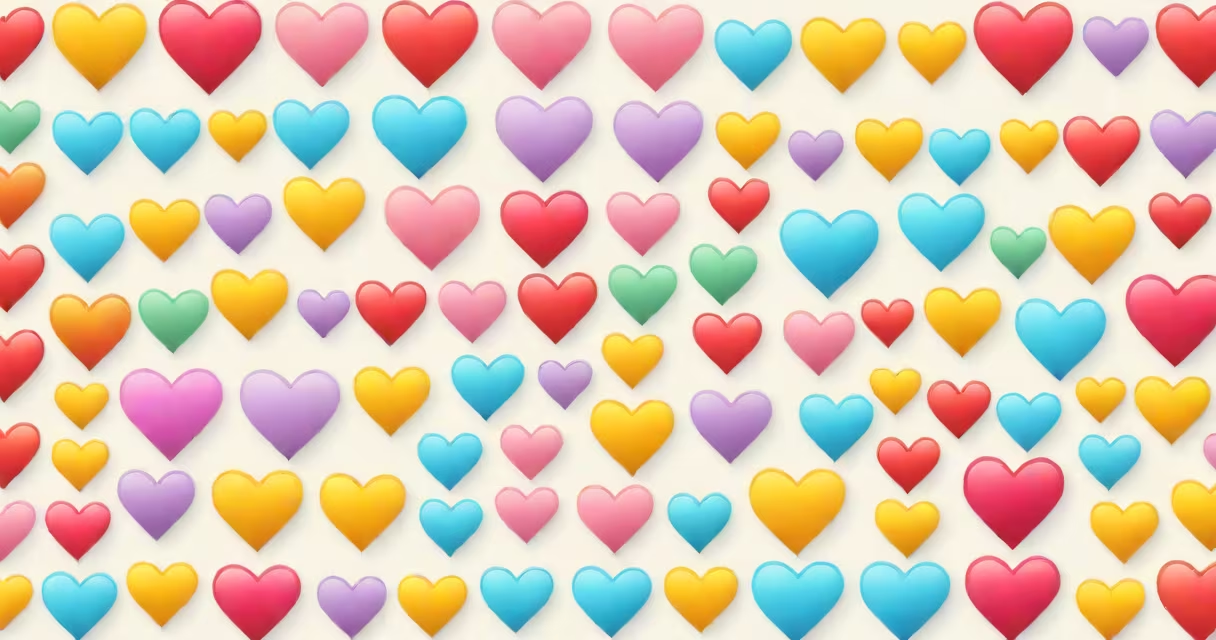
Heart colors represent specific emotions, states, or concepts in visual communication. Red hearts symbolize romantic love, while blue hearts often signify sadness or depression.
Heart colors function as a visual shorthand for complex emotions. The practice stems from cultural associations with colors and their psychological effects. For example, red increases heart rate and excitement, making it ideal for passion. Blue, associated with calmness, represents melancholy.
| Color | Meaning | Example Use |
|---|---|---|
| Red | Romantic love, passion | Valentine's Day cards |
| Blue | Sadness, depression | Social media awareness campaigns |
| Purple | Support for rare diseases | Spirit Day for LGBTQ+ youth |
| Yellow | Friendship, joy | Yellow heart emoji in messaging apps |
| Green | Environmental awareness | Earth Day promotions |
Heart colors appear in digital communication, marketing, and social causes. Social media platforms like Twitter and Instagram use colored hearts as reactions. Nonprofits adopt them for awareness campaigns, such as the purple heart for epilepsy.
A common misconception is that all heart colors represent positive emotions. However, blue and black hearts often denote sadness or mourning. For instance, a black heart may symbolize grief or dark humor.
Unlike generic symbols like smiley faces, heart colors carry detailed meanings. A red heart isn't just happiness-it's specifically romantic love. This specificity makes them useful tools for clear communication.
For example, during COVID-19, blue hearts represented healthcare workers' resilience. This usage aligned with blue's association with trust and stability, as noted by color psychology experts like Verywell Mind.
When choosing a heart color, consider the context and audience. A purple heart supports LGBTQ+ pride, while a green heart promotes sustainability. Misusing colors can confuse your message-avoid pairing a red heart with environmental content.
I once designed a campaign using a blue heart to represent mental health awareness. The feedback was overwhelmingly positive because the color matched the cause's tone.
People often mix up heart colors with similar symbols, like rainbow flags or medical icons. For example, a rainbow heart doesn't exclusively mean LGBTQ+ pride-it can also represent diversity in general. To avoid confusion, pair heart colors with clear text or additional imagery.
Another mistake is assuming heart colors are universally understood. Cultural differences exist-for instance, in some Eastern cultures, red symbolizes good fortune rather than romance. Always research your audience before finalizing designs.
Messaging apps like Facebook and WhatsApp use heart colors as quick reactions. A yellow heart signifies friendship, while a pink heart may indicate admiration. These apps follow a standardized color chart to maintain consistency across platforms.
Brands use heart colors to evoke emotions and align with values. Coca-Cola uses red hearts for love and energy, while Starbucks incorporates green hearts for eco-friendliness. This strategy taps into existing color biases to create instant recognition.
According to Forbes, 90% of snap judgments about products are based on color alone. Heart colors amplify this effect by adding emotional weight.
Nonprofits and activists use heart colors to represent solidarity. The purple heart stands for Alzheimer's awareness, while the teal heart symbolizes sexual assault prevention. These colors make abstract issues visually tangible.
For example, the American Heart Association's red dress campaign uses red hearts to promote women's heart health. The color choice ties into red's association with urgency and action.
Understanding heart colors helps you communicate emotions and effectively. Whether in personal messages, marketing, or activism, the right color can strengthen your impact. Next time you see a colored heart, think beyond its surface-consider the deeper meaning behind it.