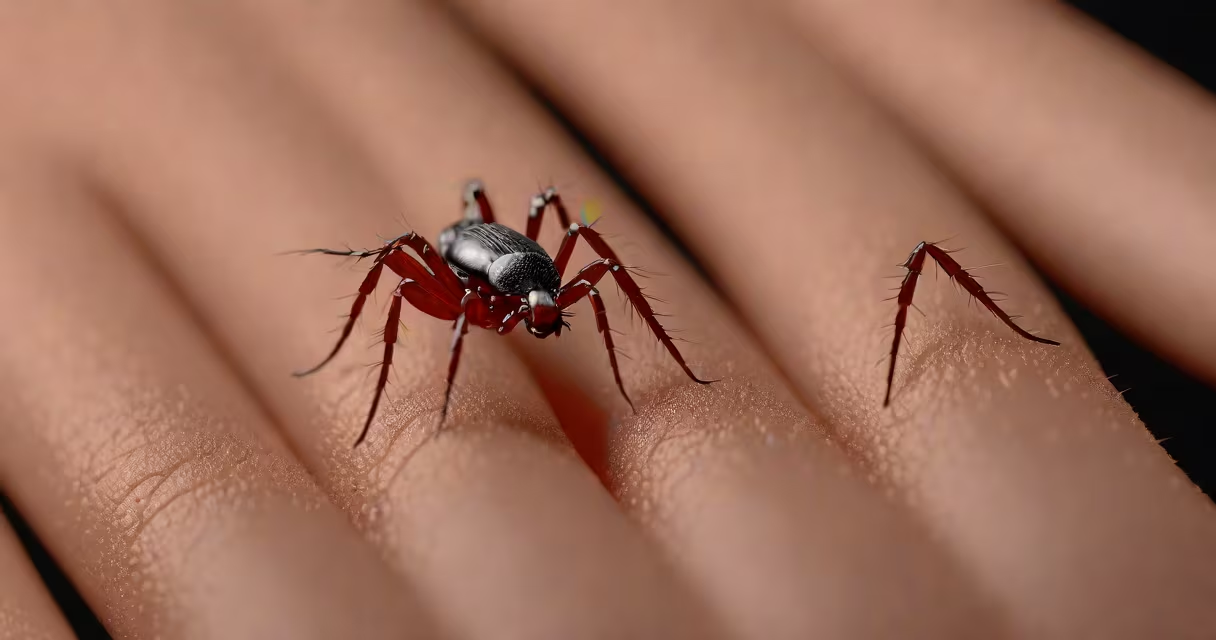
Dog ticks transmit bacteria, viruses, and parasites that cause diseases like Lyme, Rocky Mountain spotted fever, and ehrlichiosis. These parasites feed on blood and can infect pets and humans.
Ticks transmit diseases through their saliva during feeding. A tick must attach and feed for at least 24-48 hours to transmit most pathogens. Not all ticks carry diseases, but some species have high infection rates.
Several tick species affect dogs, each with different disease risks:
| Tick Type | Diseases Carried | Geographic Range |
|---|---|---|
| American dog tick | Rocky Mountain spotted fever, tularemia | Eastern and central U.S. |
| Black-legged tick (deer tick) | Lyme disease, anaplasmosis, babesiosis | Northeastern, Midwestern, and Pacific Coast U.S. |
| Brown dog tick | Canine ehrlichiosis, canine rickettsiosis | Worldwide, especially warm climates |
| Lone star tick | Ehrlichiosis, tularemia, STARI | Southeastern and eastern U.S. |
Many people confuse ticks with fleas, but they're distinct parasites. Fleas jump and live on animals year-round, while ticks crawl slowly and often wait on vegetation to latch onto hosts. Unlike fleas, ticks can transmit serious diseases.
Another myth is that ticks only thrive in wooded areas. While they prefer tall grass and brush, they can also infest urban yards and parks. Even dogs in cities may encounter them.
Prevention is key. Regularly check your dog for ticks, especially after walks in grassy or wooded areas. Use tick prevention products like collars, spot-on treatments, or oral medications. Consult your veterinarian for recommendations based on your dog's needs and local tick risks.
If you find a tick on your dog, remove it carefully with fine-tipped tweezers. Grasp the tick as close to the skin as possible and pull straight out. Avoid twisting, which can cause the tick's mouthparts to break off and remain in the skin.