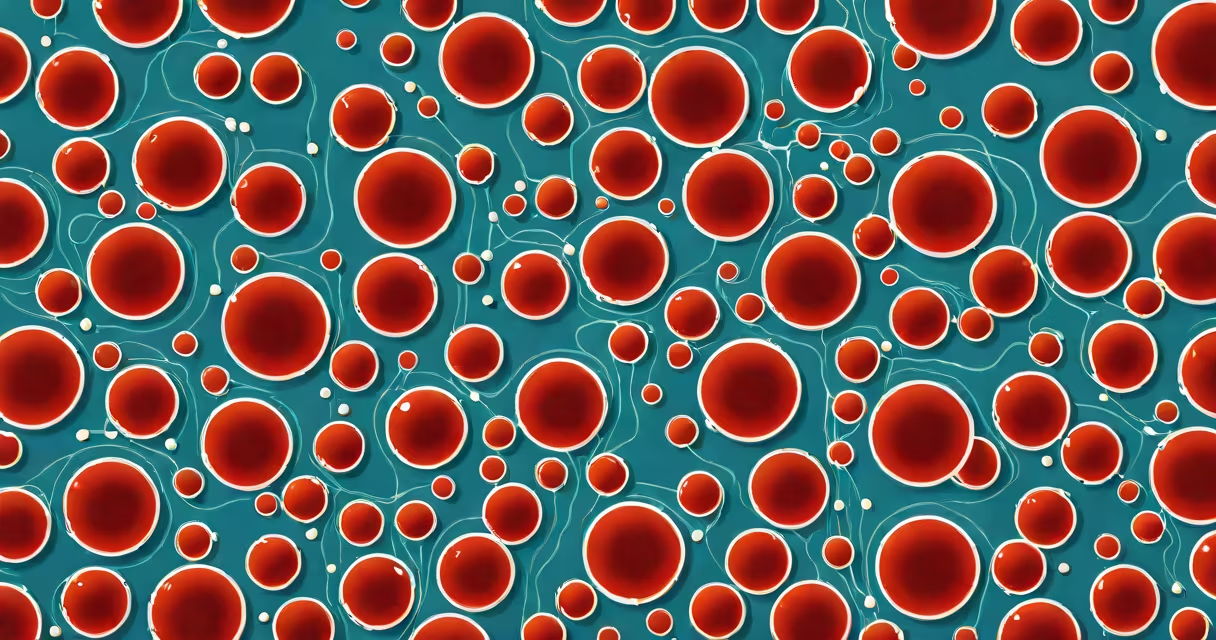
Platelets are tiny, disc-shaped blood cells that form clots to stop bleeding. They play a important role in wound healing and vascular health.
When a blood vessel is injured, platelets rush to the site and stick together to form a plug. This plug seals the wound and prevents excessive bleeding. Platelets also release chemicals that help form a stable clot.
There is only one type of platelet, but their activity varies based on their function:
Platelets are primarily used in medical settings to treat conditions related to bleeding and clotting disorders. For example, patients undergoing chemotherapy often receive platelet transfusions to prevent excessive bleeding. Platelets are also used in surgeries to ensure proper clotting during and after procedures.
One common misconception is that platelets are the same as red or white blood cells. While all three are essential components of blood, they serve different functions. Red blood cells carry oxygen, white blood cells fight infections, and platelets focus on clotting.
During a routine blood test, a patient might be told their platelet count is low. This could indicate different underlying issues, such as a vitamin deficiency, an autoimmune disorder, or certain medications affecting platelet production. Understanding what platelets mean helps patients and healthcare providers address these concerns effectively.
For instance, a patient with a platelet count of 150,000 per microliter is within the normal range. However, if their count drops below 50,000, they may experience easy bruising or prolonged bleeding from cuts. Recognizing these signs can prompt timely medical intervention.
Platelets are often confused with other blood components due to their similar roles in maintaining health. Here's a quick comparison:
| Component | Function | Normal Range |
|---|---|---|
| Platelets | Clotting and wound healing | 150,000-450,000 per microliter |
| Red Blood Cells | Oxygen transport | 4.2-5.9 million per microliter (men), 3.8-4.6 million per microliter (women) |
| White Blood Cells | Immune defense | 4,000-11,000 per microliter |
Understanding what platelets mean involves recognizing their critical role in clotting and wound healing. simply curious about how your body works, knowing about platelets can provide valuable insights into your health.