Rabies is a viral disease that attacks the central nervous system of animals, causing aggression, paralysis, and almost always death. The virus spreads through saliva, typically via bites, and affects both wild and domestic animals.
The rabies virus travels along nerves to the brain, where it multiplies rapidly. This causes inflammation of the brain and spinal cord, leading to behavioral changes and eventually death.
In the early stages, infected animals may appear anxious or restless. As the disease progresses, they often become aggressive and may attack other animals or humans. In the final stages, the animal becomes paralyzed and unable to swallow, leading to death from respiratory failure.
There are two main forms of rabies in animals:
| Type | Behavior | Duration |
|---|---|---|
| Furious rabies | Extreme aggression, biting, foaming at the mouth | 2-4 days |
| Paralytic rabies | Weakness, paralysis, inability to swallow | 4-7 days |
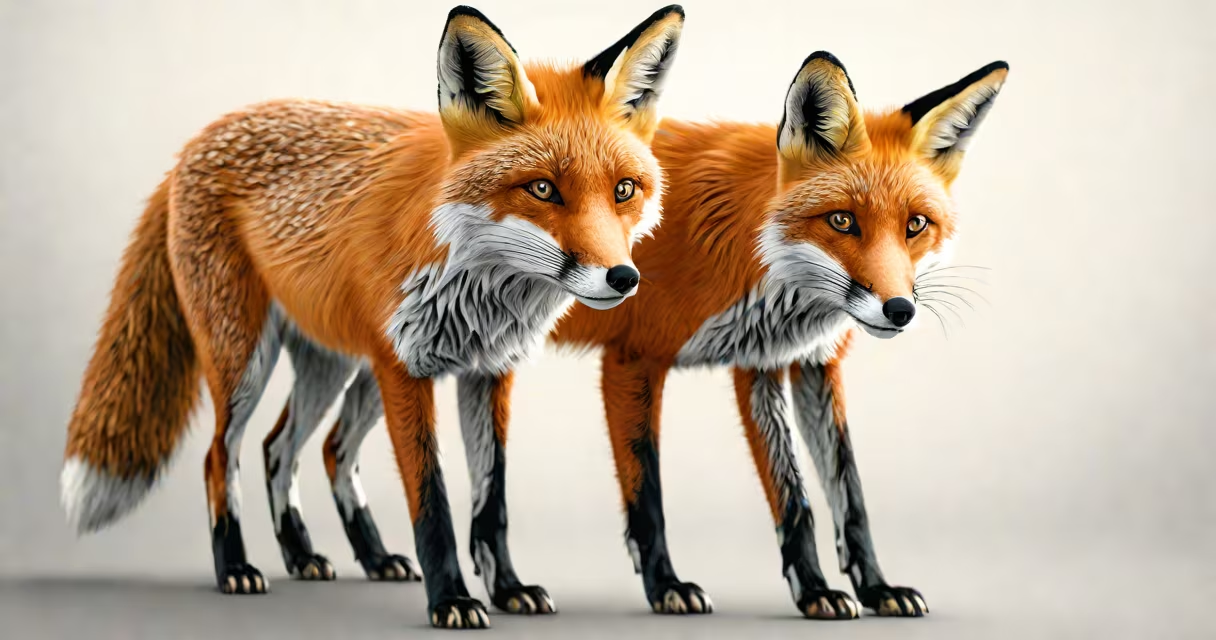
Furious rabies is more common in dogs and foxes, while paralytic rabies is often seen in cattle and horses.
Rabies can infect any mammal, but some species are more susceptible than others. Bats, raccoons, skunks, and foxes are common carriers in the wild. Domestic animals like dogs and cats can also contract rabies, especially if they are not vaccinated.
According to the Centers for Disease Control and Prevention (CDC), bats are the most frequent source of rabies transmission to humans in the United States.
Rabies spreads when an infected animal bites another animal or human. The virus enters the new host through the bite wound and begins its process to the brain. There is no cure for rabies once symptoms appear, making prevention important.
Vaccination is the most effective way to protect pets and livestock. The CDC recommends that pet owners keep their animals up to date on rabies vaccinations. If an animal is bitten by a rabid animal, immediate veterinary care is essential.
One common misconception is that only wild animals carry rabies. While wild animals are a significant source of the virus, domestic animals can also become infected and spread the disease. Another myth is that all animals with rabies exhibit aggressive behavior. Some infected animals may appear lethargic or disoriented rather than aggressive.
If you suspect an animal has rabies, do not approach it. Contact local animal control or wildlife authorities for assistance. For more information on how rabies affects humans, see what does rabies do to you.
Understanding what rabies do to animals is the first step in protecting both pets and wildlife. Vaccination and awareness are key to preventing the spread of this deadly disease.