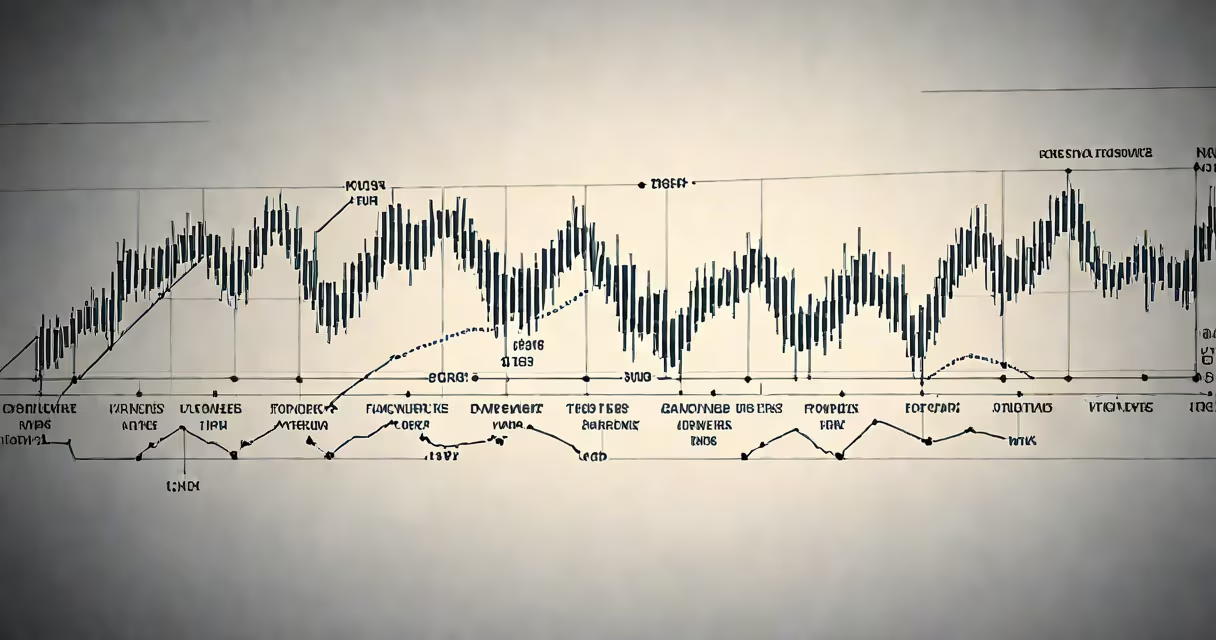
A futures contract is a financial agreement to buy or sell an asset at a set price on a specific future date. These contracts trade on exchanges like the Chicago Mercantile Exchange (CME) and cover everything.
Futures contracts specify the quantity, quality, and delivery date of the underlying asset. For example, an S&P 500 futures contract might require buying or selling the index at a predetermined price next month. Traders use these contracts to hedge against price fluctuations or speculate on future market movements.
Each contract has a standardized size and settlement date. Most futures are cash-settled, meaning no physical delivery occurs. Instead, the difference between the contract price and the market price on the settlement date is paid in cash.
| Type | Underlying Asset | Common Uses |
|---|---|---|
| Index Futures | Stock market indices (e.g., S&P 500, Nasdaq) | Hedging portfolio risk, speculating on market direction |
| Commodity Futures | Physical commodities (e.g., oil, gold, wheat) | Hedging against price changes, betting on commodity trends |
| Currency Futures | Foreign currencies (e.g., EUR/USD, JPY/USD) | Managing currency risk, speculating on exchange rates |
Futures offer several advantages. They provide use, allowing traders to control large positions with relatively small amounts of capital. This amplifies both gains and losses. Futures also offer liquidity, as they trade on regulated exchanges with high trading volumes.
Many traders use futures to hedge existing positions. For example, a farmer might sell corn futures to lock in a price for their upcoming harvest, protecting against a price drop. Similarly, an investor might buy index futures to protect their stock portfolio from a market downturn.Read more about how stock markets decline.
One common mistake is confusing futures with options. While both are derivatives, futures obligate the holder to buy or sell the asset, whereas options give the right but not the obligation. Another misconception is that futures are only for professionals. Retail traders actively participate in futures markets using online platforms.
Futures prices often move before the underlying market opens. For instance, US stock market futures CNBC reports these prices overnight, reflecting early trading activity and setting expectations for the next day's market open.
Suppose a trader believes the S&P 500 will rise over the next month. They buy one S&P 500 futures contract at 4,000 points. If the index rises to 4,100 by the contract's expiration, the trader profits from the 100-point difference. Conversely, if the index falls to 3,900, the trader loses on the contract.
Futures trading requires understanding margin requirements, contract specifications, and market mechanics. Beginners should start with paper trading or small positions to gain experience.
Futures contracts play a important role in the stock market, offering tools for risk management and speculation. Whether hedging a portfolio or betting on market movements, traders use futures to go through financial markets effectively.