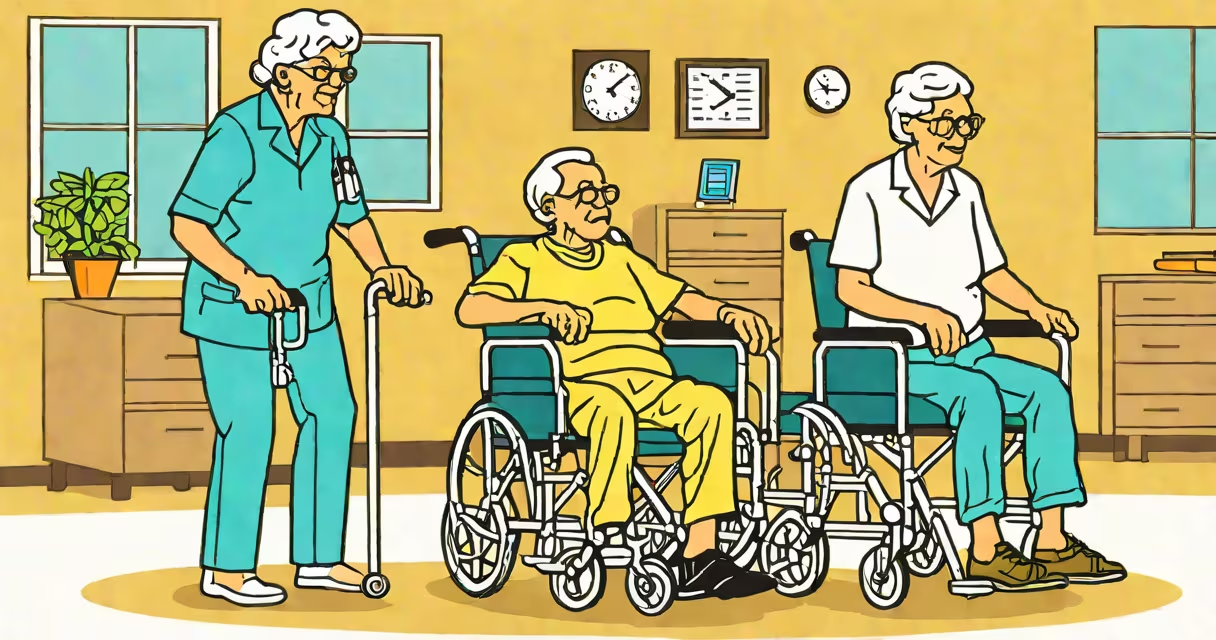
A certified nursing assistant (CNA) provides hands-on patient care under the supervision of nurses and doctors, focusing on basic healthcare needs and personal support. Their work ensures patients receive compassionate, dignified care while maintaining safety and comfort.
CNAs perform essential tasks that support patient well-being and assist medical staff. These include:
According to the U.S. Bureau of Labor Statistics, CNAs play a critical role in long-term care facilities, hospitals, and home health services.
Each day brings varied responsibilities depending on the setting. In a nursing home, a CNA might:
In hospitals, CNAs often work alongside registered nurses, preparing patients for procedures and providing post-operative care.
Some CNAs gain additional training to handle specialized tasks, such as:
| Setting | Specialized Task |
|---|---|
| Hospitals | Preparing patients for diagnostic tests |
| Home Health | Managing medication reminders |
| Rehabilitation Centers | Assisting with physical therapy exercises |
Many assume CNAs only perform menial tasks, but they play a important role in patient recovery and emotional well-being. For example, a CNA might notice subtle changes in a patient's condition that prompt timely medical intervention.
During my time shadowing CNAs in a local hospital, I observed how they build trust with patients through consistent, compassionate care. One CNA shared how she helped a confused dementia patient feel calm by playing familiar music-a small act that made a significant difference in the patient's demeanor.
This role demands both technical skills and emotional intelligence, making it rewarding for those who enjoy direct patient interaction.