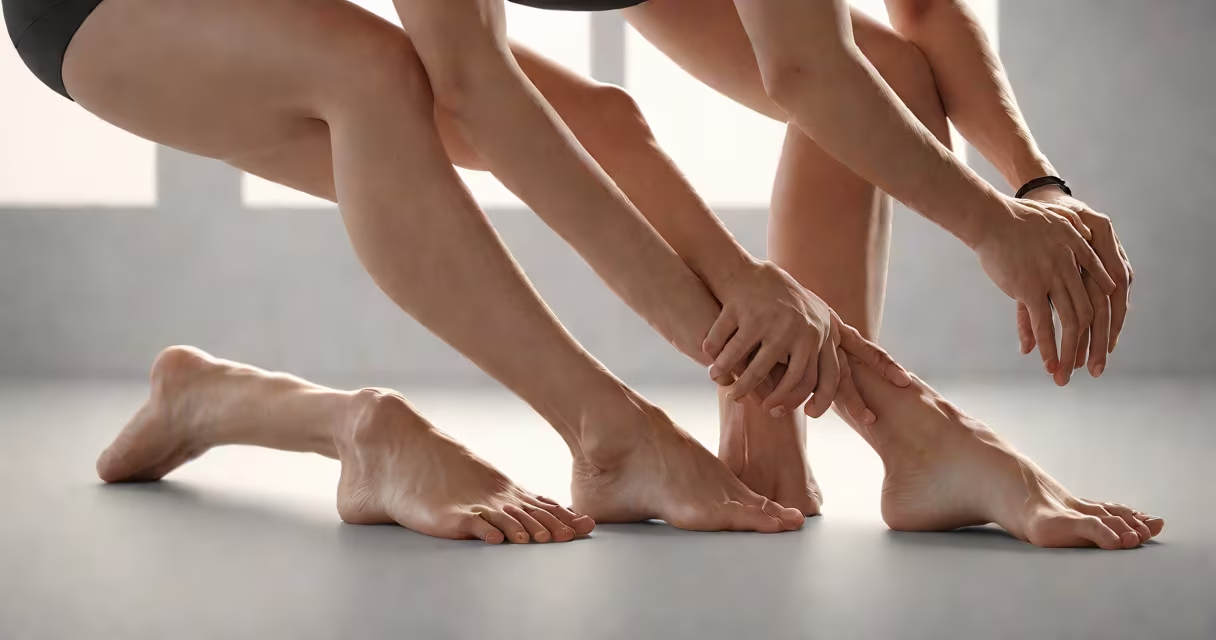
When a leg cramp hits, stretch the affected muscle gently while massaging it. Hydrate and replenish electrolytes afterward. Most cramps resolve within minutes.
Leg cramps occur when muscles contract involuntarily and refuse to relax. They often strike at night or during exercise, causing sudden, severe pain. The most common sites are calves, hamstrings, and quadriceps.
The exact cause varies, but common triggers include dehydration, electrolyte imbalances, overexertion, or poor circulation. Some medications and medical conditions also increase risk.
| Type | Duration | Common Triggers |
|---|---|---|
| Exercise-associated | Seconds to minutes | Dehydration, overheating, electrolyte loss |
| Nocturnal | Minutes | Poor circulation, flat feet, pregnancy |
| Chronic | Recurrent episodes | Nerve damage, kidney disease, thyroid issues |
First, stop any activity aggravating the cramp. Stand and stretch the cramped muscle:
Massage the muscle firmly while stretching. Apply heat if the cramp happens at rest, or ice if it occurs during exercise.
Stay hydrated by drinking water throughout the day. Eat foods rich in potassium, calcium, and magnesium-bananas, leafy greens, nuts, and dairy products. Avoid excessive alcohol or caffeine, which can dehydrate you.
Warm up before exercise and cool down afterward. Wear supportive shoes and avoid pointing toes excessively. If you experience extreme leg cramps frequently, consult a doctor to rule out underlying conditions.
Many people think leg cramps only affect athletes or older adults. In reality, they can strike anyone, regardless of age or fitness level. Another myth is that stretching alone prevents cramps-hydration and proper nutrition play equally important roles.
I once experienced a debilitating calf cramp during a long run. After stretching and massaging, the pain subsided within minutes. Since then, I've prioritized hydration and electrolyte balance, which has drastically reduced recurrence.
According to the Mayo Clinic, persistent cramps may stem from conditions like peripheral artery disease or diabetes. The National Institute of Neurological Disorders and Stroke notes that nerve disorders can also cause muscle spasms.