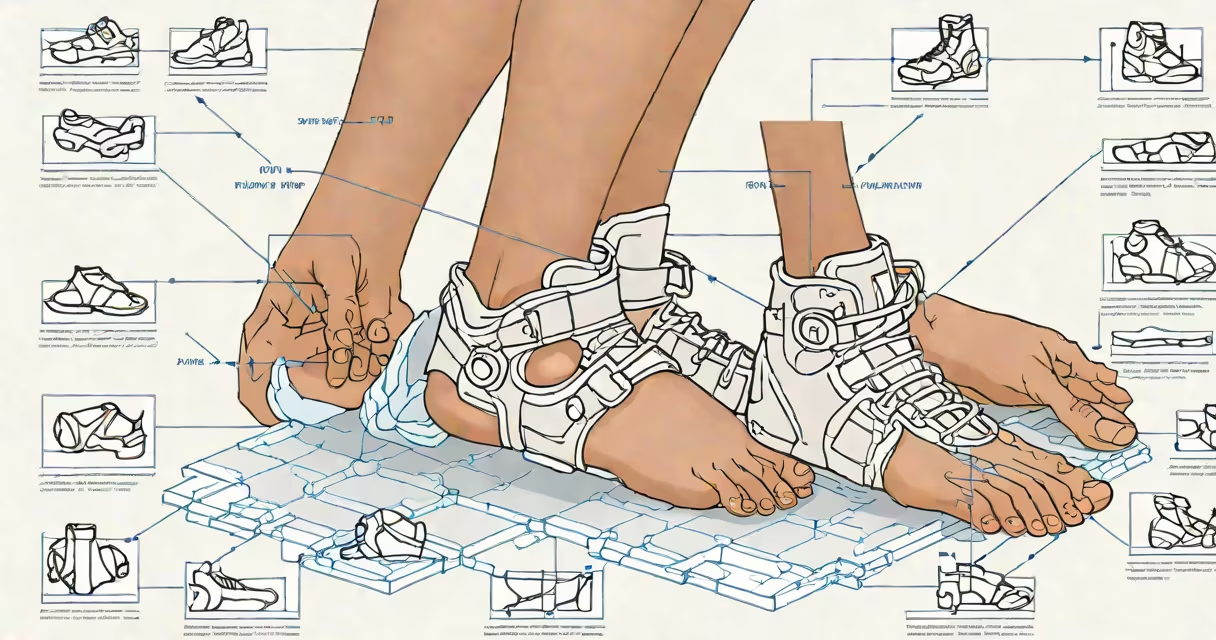
A sprain occurs when ligaments-tissues connecting bones-are stretched or torn. First, rest the injury, apply ice for 15-20 minutes every hour, compress with an elastic bandage, and improve above heart level. This RICE method reduces swelling and pain.
Sprains typically result from sudden twists, falls, or impacts. The ankle is most commonly affected, but wrists, knees, and thumbs are also vulnerable. Ligaments have limited blood flow, so healing takes longer than muscle injuries. A grade 1 sprain involves mild stretching, while grade 3 includes complete ligament tears.
Start with the RICE method:
Over-the-counter pain relievers like ibuprofen can help manage discomfort. Never apply heat immediately after injury-it worsens swelling.
Many people return to normal activities too soon. Walking on a sprained ankle or using an injured wrist can worsen damage. Another mistake is skipping medical evaluation for severe sprains, which may require professional treatment. The American Academy of Orthopedic Surgeons recommends seeing a doctor if swelling or bruising appears significant.
After initial treatment, focus on gentle movement to restore flexibility. Physical therapy exercises strengthen supporting muscles. Most minor sprains heal within 2-4 weeks, while severe cases may take months. For persistent pain or instability, consult a healthcare provider about potential surgical options.
I once sprained my ankle during a hike. Applying ice immediately and elevating it overnight reduced swelling compared to when I ignored these steps for a previous minor injury.