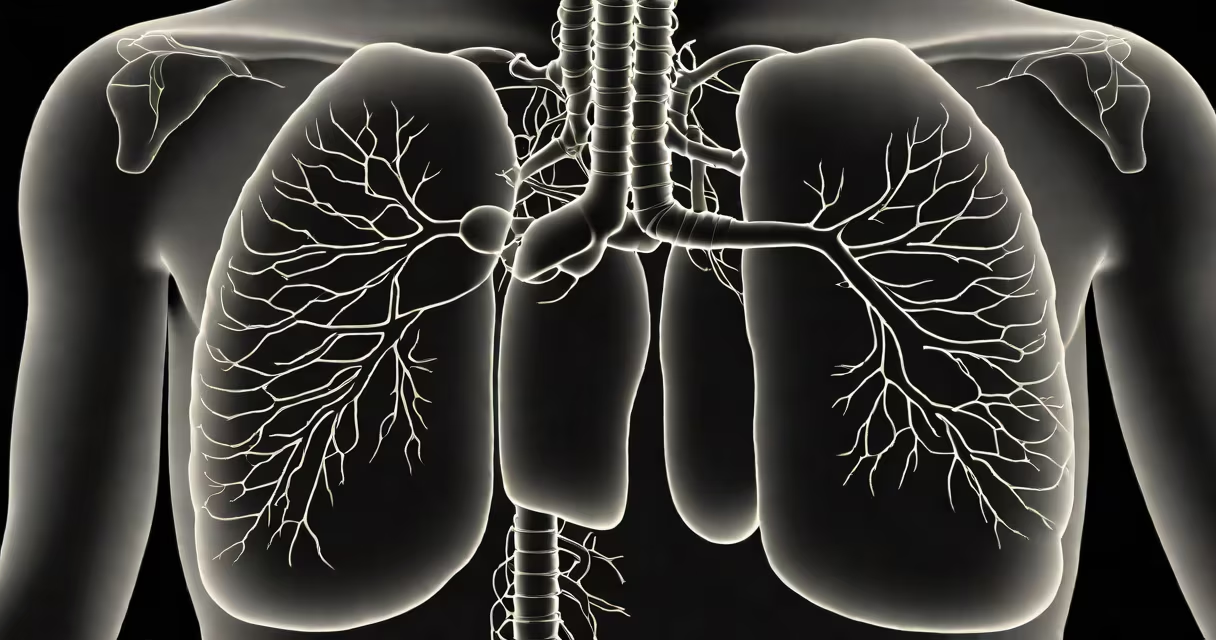
Black lungs, medically known as coal worker's pneumoconiosis, is a lung disease caused by inhaling coal dust over prolonged periods. This condition primarily affects miners and others exposed to coal dust, leading to severe respiratory issues.
Coal workers' pneumoconiosis develops when coal dust particles are inhaled and accumulate in the lungs. Over time, these particles cause inflammation and scarring, reducing lung function. The severity of the condition depends on the duration and intensity of exposure to coal dust.
The disease manifests in different forms, primarily:
Symptoms of black lungs include shortness of breath, chronic cough, and wheezing. Diagnosis typically involves a medical history review, physical examination, and chest X-rays or CT scans. Early detection is important for managing the disease effectively.
There is no cure for black lungs, but treatments focus on managing symptoms and slowing disease progression. These include medications to relieve symptoms, oxygen therapy, and in severe cases, lung transplantation. Prevention is key, involving the use of personal protective equipment (PPE) such as respirators and improving ventilation in workplaces.