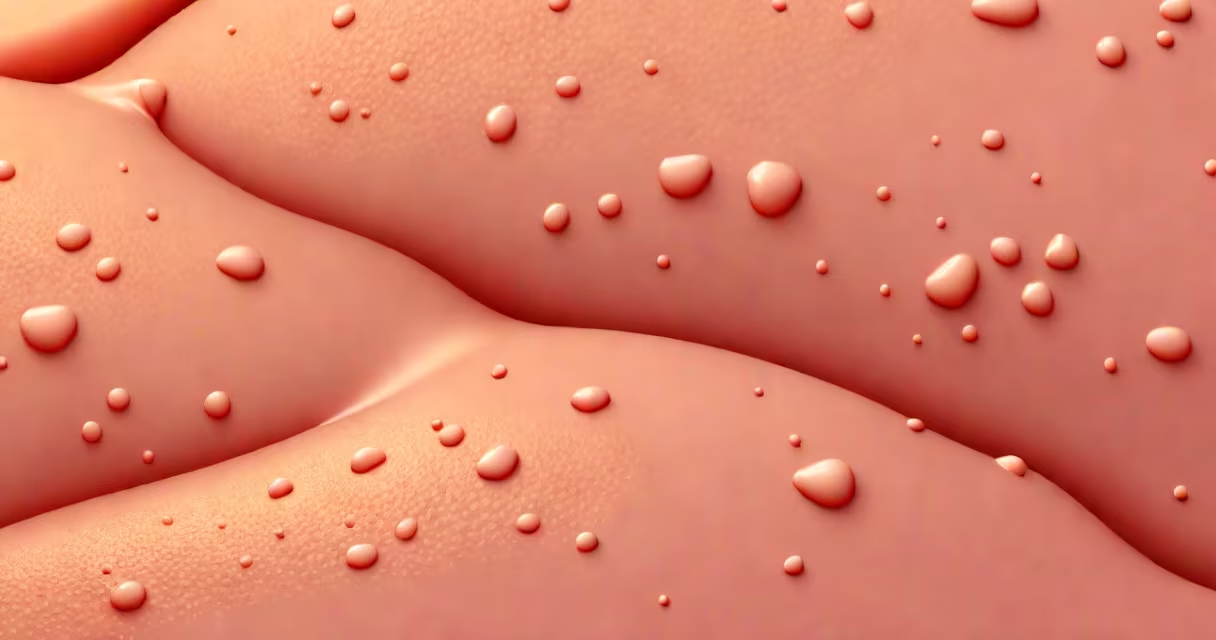
Bullous describes skin conditions characterized by large, fluid-filled blisters. These blisters typically measure over 0.5 centimeters in diameter and can appear anywhere on the body.
Bullous blisters develop when fluid collects between layers of the skin. This separation occurs due to various underlying causes, including allergic reactions, infections, or autoimmune disorders. The fluid is usually clear, but may contain blood or pus in some cases.
Bullous diseases fall into several categories based on their causes:
| Type | Cause | Example |
|---|---|---|
| Autoimmune | Immune system attacks healthy skin tissue | Bullous pemphigoid |
| Infectious | Bacterial, viral, or fungal infection | Herpes simplex |
| Allergic | Reaction to medication or substance | Drug rash with eosinophilia and systemic symptoms (DRESS) |
| Genetic | Inherited mutation | Epidermolysis bullosa |
People often confuse bullous conditions with other skin issues. Unlike regular blisters caused by friction or burns, bullous lesions are pathological and require medical attention. Another misconception is that all bullous conditions are contagious - most are not.
One non-obvious fact: Bullous pemphigoid, an autoimmune bullous disease, primarily affects people over 60. According to the American Academy of Dermatology, it affects about 1 in 100,000 people annually in the United States.
Doctors diagnose bullous conditions through physical examination, skin biopsy, and blood tests. Treatment varies depending on the underlying cause but may include corticosteroids, antibiotics, or immunosuppressive drugs. For example, a study published in the Journal of the American Academy of Dermatology found that dupilumab, a medication originally developed for eczema, showed promise in treating certain bullous conditions.
When I worked in a dermatology clinic, we saw a patient with sudden onset of bullous lesions on their torso. After ruling out infectious causes, we diagnosed them with bullous pemphigoid based on biopsy results showing separation at the dermal-epidermal junction.