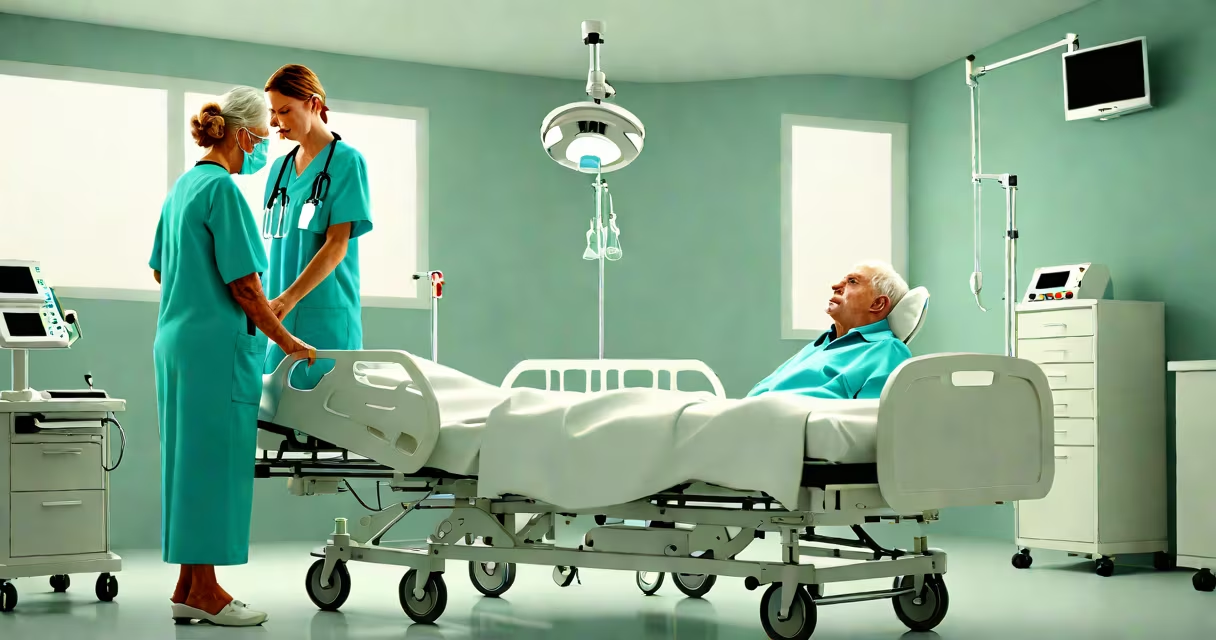
A **CNA** stands for **certified nursing assistant**, a healthcare professional trained to provide basic patient care under the supervision of licensed nurses.
CNAs serve as frontline caregivers, often working in hospitals, nursing homes, or home health settings. Their duties include bathing, dressing, and feeding patients, as well as monitoring important signs and reporting changes to nurses. This role bridges the gap between patients and higher-level medical staff, ensuring continuous care.
CNAs perform essential tasks such as:
For example, a CNA in a nursing home might help residents with meals, ensure they stay hydrated, and assist them in moving safely to prevent falls.
CNAs work in various healthcare settings, including:
| Setting | Key Tasks |
|---|---|
| Hospitals | Assisting with patient admissions, discharges, and basic care |
| Nursing Homes | Providing long-term care for elderly residents |
| Home Health Care | Supporting patients recovering from illness or surgery at home |
| Rehabilitation Centers | Helping patients regain independence after injuries or surgeries |
According to the U.S. Bureau of Labor Statistics, about 1.5 million CNAs were employed in 2022, with demand expected to grow due to an aging population.
To become a CNA, individuals must complete a state-approved training program, typically lasting 4-12 weeks. The program includes classroom instruction and hands-on clinical experience. After completing the program, candidates must pass a competency exam to earn certification.
I once shadowed a CNA during my clinical rotations in nursing school. The CNA's patience and compassion stood out, especially when assisting an elderly patient who needed help with daily tasks. This experience reinforced the importance of CNAs in delivering complete patient care.
Understanding what a CNA is reveals the critical role these professionals play in healthcare. Their dedication ensures patients receive consistent, compassionate care, making them indispensable in medical settings.