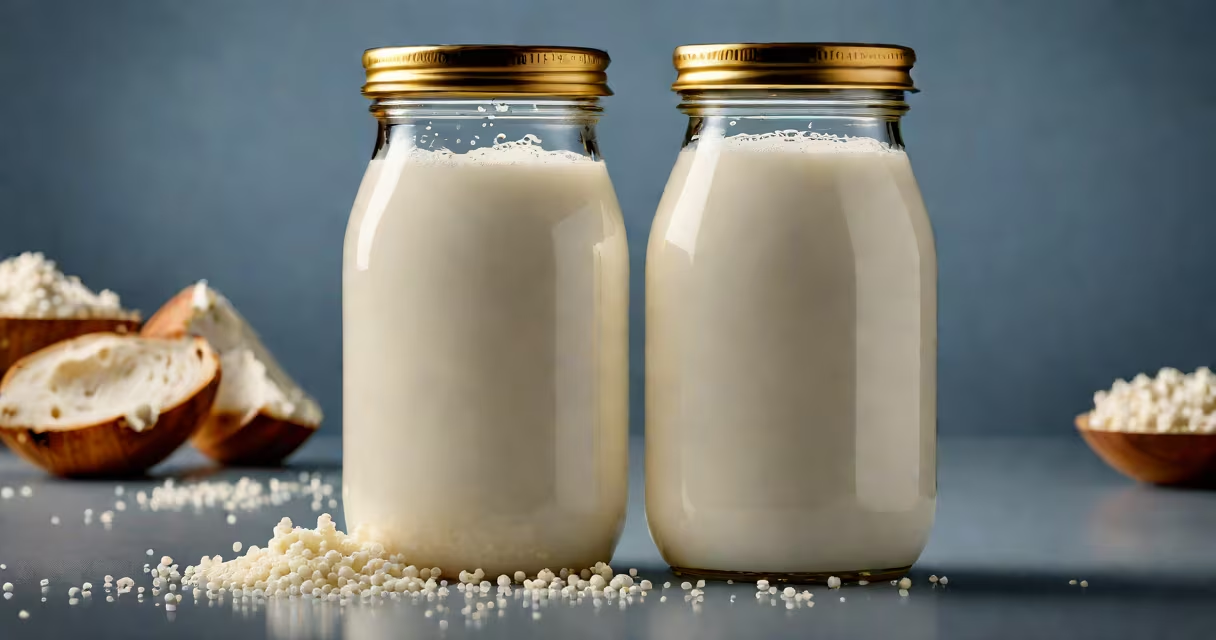
Cultured milk is fresh milk fermented with live bacteria or yeast, creating probiotic-rich dairy products like yogurt and kefir. Unlike pasteurized milk, which is heat-treated to kill bacteria, cultured milk encourages beneficial microbial growth.
Fermentation transforms lactose (milk sugar) into lactic acid, thickening the milk and creating tangy flavors. The process also produces vitamins like B12 and K2, which aren't present in fresh milk. According to the National Center for Biotechnology Information, these bacteria improve digestion and nutrient absorption.
| Type | Starter Culture | Texture | Flavor |
|---|---|---|---|
| Yogurt | Lactobacillus bulgaricus + Streptococcus thermophilus | Thick, spoonable | Mildly tart |
| Kefir | Kefir grains (bacteria + yeast) | Drinkable, slightly foamy | Tangy, effervescent |
| Clabber | Wild bacteria (unintentional fermentation) | Thin, lumpy | Sour |
Cultured milk appears in global cuisines: Greek yogurt in tzatziki, Indian lassis, or Scandinavian filmjölk. A 2020 study in Nutrients found that regular consumption may reduce inflammation and improve immune function.
I first tried making kefir at home using store-bought grains. After 24 hours in whole milk, the result was fizzy, slightly sour, and packed with probiotics - a stark contrast to the bland taste of pasteurized milk.
Many confuse cultured milk with "soured milk," but the latter often refers to spoiled milk with harmful bacteria. Cultured milk uses controlled fermentation with beneficial microbes. Another mistake is assuming all cultured milks are thick like yogurt; kefir remains drinkable.
Cultured milk offers digestive benefits, especially for those with lactose intolerance. The fermentation process predates refrigeration, serving as a natural preservation method. However, commercial versions may contain added sugars or stabilizers, reducing their health benefits.