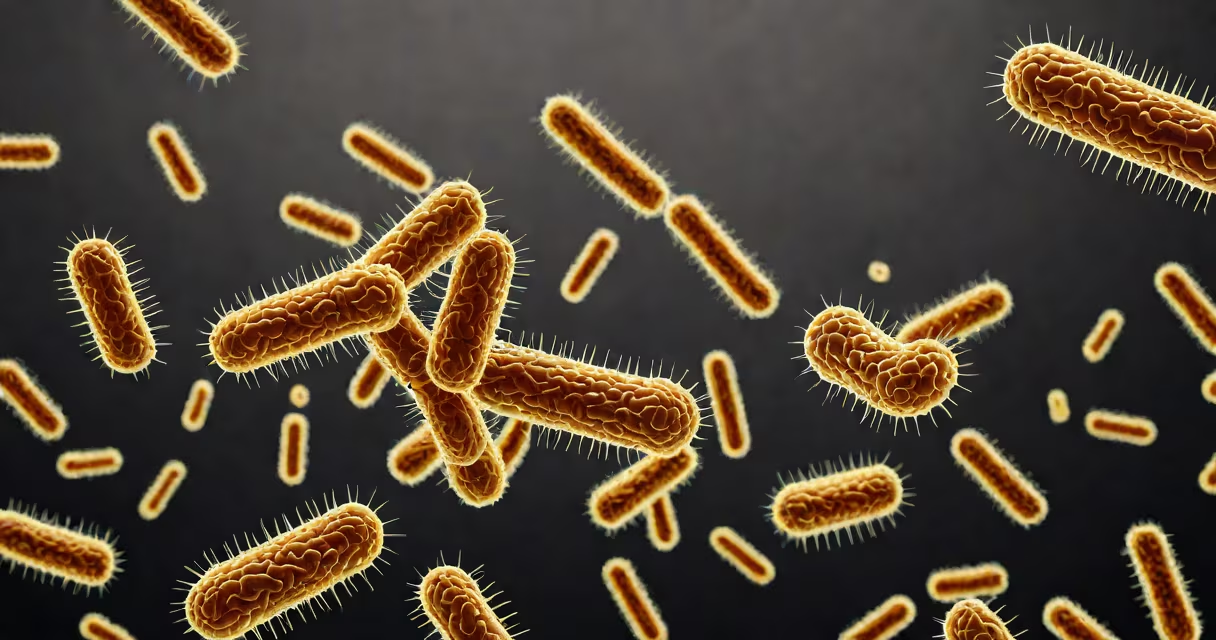
E. coli causes gastrointestinal illness, ranging from mild diarrhea to life-threatening kidney failure. The bacterium Escherichia coli (E. coli) typically spreads through contaminated food or water.
Most E. coli strains live harmlessly in the intestines of humans and animals. However, certain strains produce Shiga toxin, which damages the lining of the intestines. This can lead to severe symptoms, including bloody diarrhea and abdominal cramps.
| Type | Common Symptoms | Duration |
|---|---|---|
| STEC (Shiga toxin-producing E. coli) | Severe stomach cramps, diarrhea (often bloody), vomiting | 5-10 days |
| UTI (Urinary Tract Infection) | Painful urination, frequent urination, pelvic pain | Varies |
| Traveler's Diarrhea | Watery diarrhea, abdominal cramps, nausea | 3-7 days |
E. coli infections occur worldwide, often linked to contaminated food sources like raw vegetables, unpasteurized milk, and undercooked meat. The Centers for Disease Control and Prevention (CDC) reports that E. coli causes around 265,000 infections annually in the U.S.
Many people confuse E. coli with other foodborne illnesses like salmonella or listeria. Unlike these, E. coli infections are more likely to cause hemolytic uremic syndrome (HUS), a condition that can lead to kidney failure, particularly in children and the elderly.
For example, in 2018, an outbreak of E. coli O157:H7 linked to romaine lettuce sickened 210 people across 36 states, according to the CDC. This highlights the importance of proper food handling and washing.
To reduce the risk of E. coli infections, cook meat thoroughly, avoid unpasteurized dairy products, and wash fruits and vegetables before eating. Handwashing with soap and water is important, especially after using the restroom or changing diapers.
If you suspect an E. coli infection, seek medical attention promptly. Treatment may involve hydration therapy and, in severe cases, hospitalization. Understanding what E. coli causes helps in taking preventive measures to stay safe.