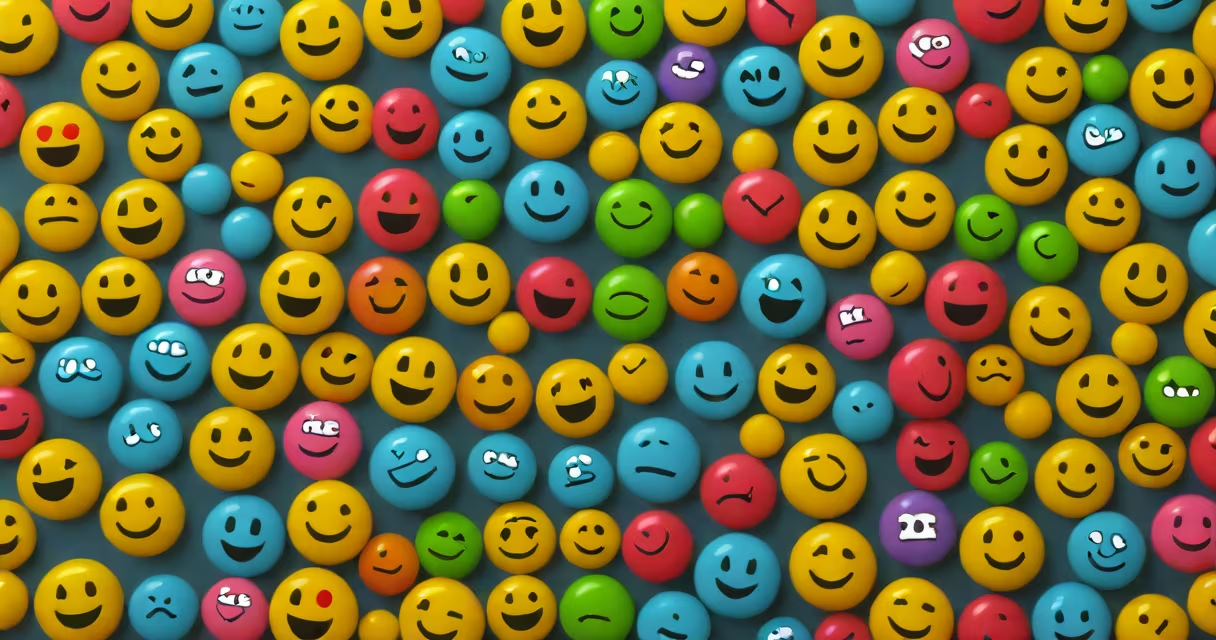
Emoji symbols are small digital images or icons used to express ideas or emotions in electronic communications. They originated in Japan and have since become a global language of their own.
Each emoji represents a specific concept, emotion, or object. They function similarly to hieroglyphs or pictographs, allowing users to communicate ideas visually. Emojis are standardized through Unicode, ensuring they display consistently across different platforms and devices.
Emojis fall into several categories:
Emojis improve written communication by adding emotional context and visual cues. A study by the University of Louisiana found that emojis make messages feel more positive and engaging. They're particularly useful in text messages and social media posts where tone can be ambiguous.
Many people assume emoji meanings are universal, but interpretations can vary by culture. For example, the "OK" hand symbol (👌) can be offensive in some countries. The "grinning face with smiling eyes" (😃) might seem friendly, but some interpret it as mocking. Always consider your audience when using emojis.
When I first started using emojis extensively, I noticed that their meanings could shift based on context. The "face with steam from nose" (🤬) might indicate anger in one message but frustration in another. To use emojis effectively:
The Unicode Consortium, which standardizes emoji, adds new ones annually based on cultural relevance and usage patterns. You can find the complete list of approved emoji on their official website.
For more on visual communication systems, see our guide on what do the fabric care symbols mean.