Freedom in the Bible means liberation from oppression, sin, and death. It appears in narratives like the Exodus and teachings about spiritual liberty.
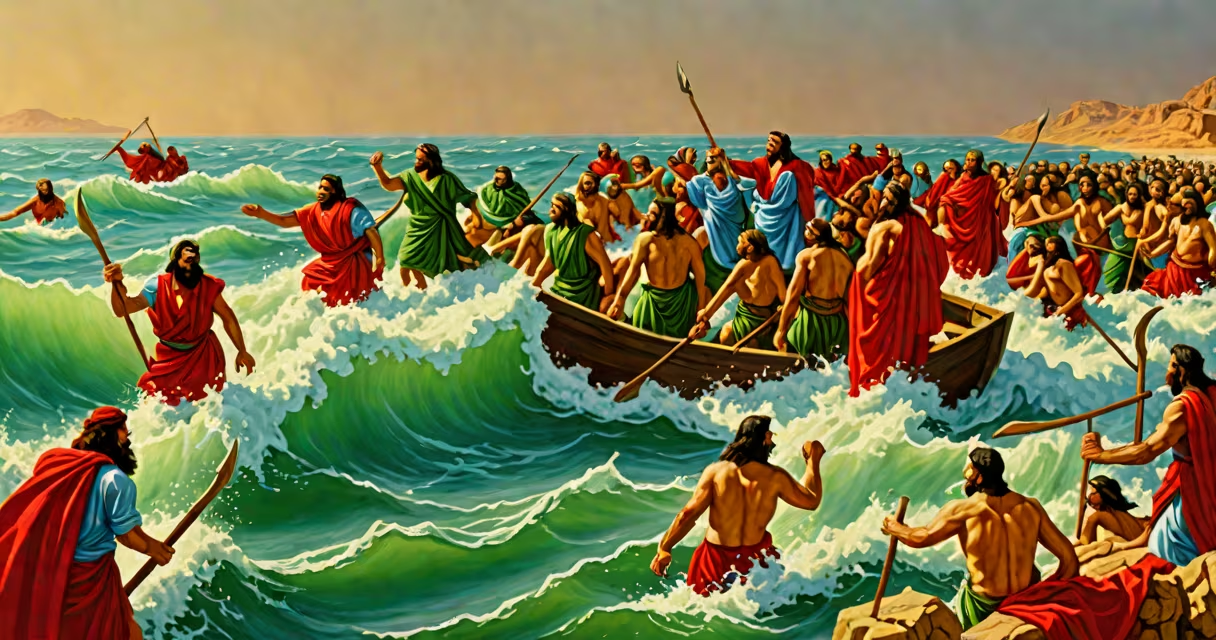
The most famous example of freedom in the Bible is the Exodus story. The Israelites were enslaved in Egypt for 400 years before God liberated them through Moses. This event symbolizes freedom from political and physical oppression.
Exodus 6:6-7 states: "I am the Lord, and I will bring you out from under the yoke of the Egyptians. I will free you from being slaves to them, and I will redeem you with an outstretched arm and with mighty acts of judgment." This passage shows that freedom involves both physical deliverance and a covenant relationship with God.
In the New Proof, freedom takes on a spiritual dimension. Galatians 5:1 declares, "It is for freedom that Christ has set us free. Stand firm, then, and do not let yourselves be burdened again by a yoke of slavery." Here, freedom means liberation from the power of sin and its consequences, including death.
Romans 8:2 further explains, "Because through Christ Jesus the law of the Spirit who gives life has set you free from the law of sin and death." This verse highlights that true freedom comes through a relationship with Jesus Christ.
| Type of Freedom | Biblical Reference | Meaning |
|---|---|---|
| Political Liberation | Exodus 6:6-7 | Freedom from earthly oppressors |
| Spiritual Liberty | Galatians 5:1 | Liberation from sin and its power |
| Eternal Life | Romans 8:2 | Freedom from death's grip |
Some people mistake biblical freedom for license to sin. However, Galatians 5:13 clarifies, "You, my brothers and sisters, were called to be free. But do not use your freedom to indulge the flesh; rather, serve one another humbly in love." True freedom involves serving others and living righteously.
Another misconception is that freedom in the Bible is solely about personal liberation. While it includes individual freedom, it also encompasses communal freedom and responsibility toward others.
Understanding what freedom means in the Bible helps believers apply these principles to modern life. It encourages standing against injustice, seeking spiritual growth, and serving others. For example, advocating for the oppressed reflects the Exodus story, while living a life free from sin's power mirrors Galatians 5:1.
As Christians, we are called to embrace this freedom and use it to glorify God and serve others. This involves both personal spiritual growth and active engagement in the world around us.