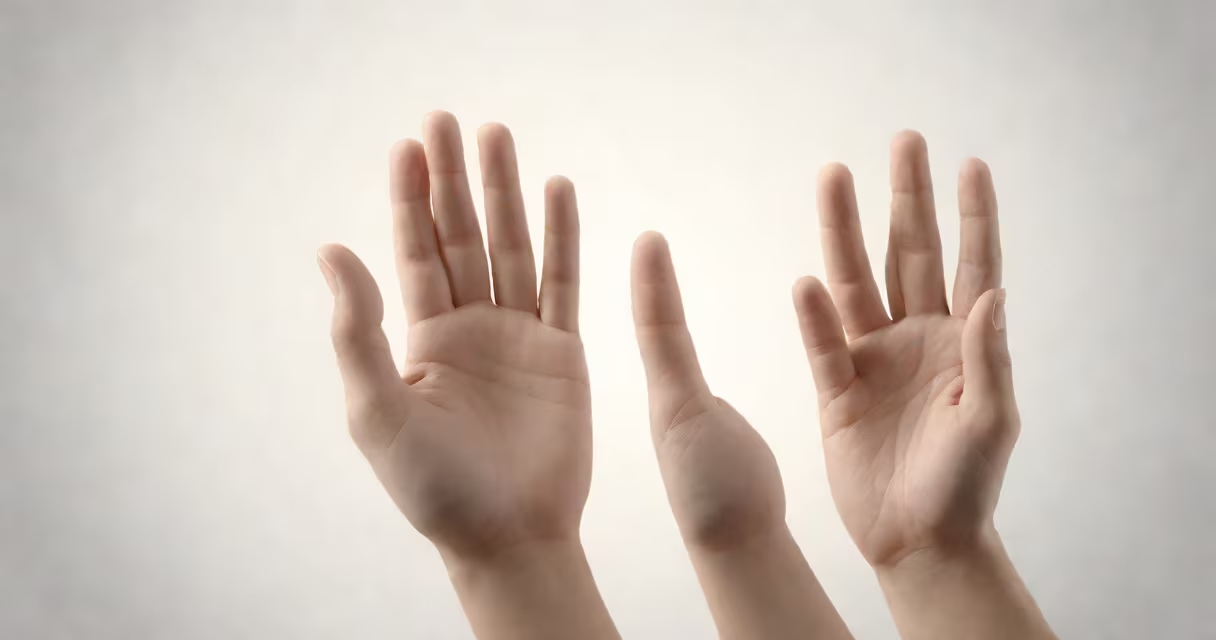
Being nonverbal means relying primarily on methods other than spoken words to communicate. This includes sign language, gestures, writing, or assistive devices. Nonverbal communication is not limited to people who cannot speak; it also encompasses those who choose not to or find other methods more effective.
Nonverbal communication relies on various tools and techniques. For example, American Sign Language (ASL) is a complete language with its own grammar and syntax, distinct from English. Others may use picture exchange communication systems (PECS) or text-to-speech devices. Some individuals combine multiple methods depending on the situation and their comfort level.
| Type | Description | Example |
|---|---|---|
| Sign Language | A visual language using hand shapes, movements, and facial expressions | American Sign Language (ASL) |
| Written Communication | Using written words to convey thoughts and ideas | Typing on a keyboard or writing with a pen |
| Visual Supports | Using pictures, symbols, or objects to aid communication | Picture Exchange Communication System (PECS) |
| Assistive Technology | Devices that convert text or symbols into spoken words | Text-to-speech software or speech-generating devices |
Many assume nonverbal individuals cannot understand spoken language. However, many do comprehend speech but struggle with expressive language-the ability to produce spoken words. For instance, someone with autism might understand everything you say but respond with gestures or written words instead.
Another misconception is that nonverbal communication is always a result of a disability. While conditions like autism or stroke can affect verbal abilities, some people choose nonverbal methods due to personal preference or cultural reasons.
Consider Alex, a 10-year-old with autism who uses a combination of sign language and a speech-generating device. When asked about his day, he might sign "school" and then use his device to say, "Math was fun." This hybrid approach allows him to express himself fully, even though he doesn't rely solely on spoken words.
For adults, nonverbal communication might look different. A professional might use written emails or instant messages to communicate with colleagues, while others might prefer video calls with sign language interpreters. The key is finding what works best for the individual.
Supporting nonverbal communicators involves patience, adaptability, and understanding. Learning basic sign language phrases or being open to written communication can make interactions smoother. Schools and workplaces can provide training on alternative communication methods to build inclusivity.
For parents of nonverbal children, early intervention programs that focus on alternative communication methods can be life-changing. These programs often include speech therapists, occupational therapists, and special education teachers working together to develop personalized communication plans.
In my experience volunteering at a local autism center, I saw firsthand how empowering it is when someone finds their voice through nonverbal communication. One child, who had previously struggled to express his needs, began using a picture board to request snacks and toys. The transformation in his confidence and happiness was notable.
Understanding what it means to be nonverbal goes beyond recognizing the absence of spoken words. It involves appreciating the diverse methods people use to communicate and the creativity and resilience they show in doing so. Whether through sign language, writing, or technology, nonverbal communication is a important part of human interaction.